ARTIST STATEMENT
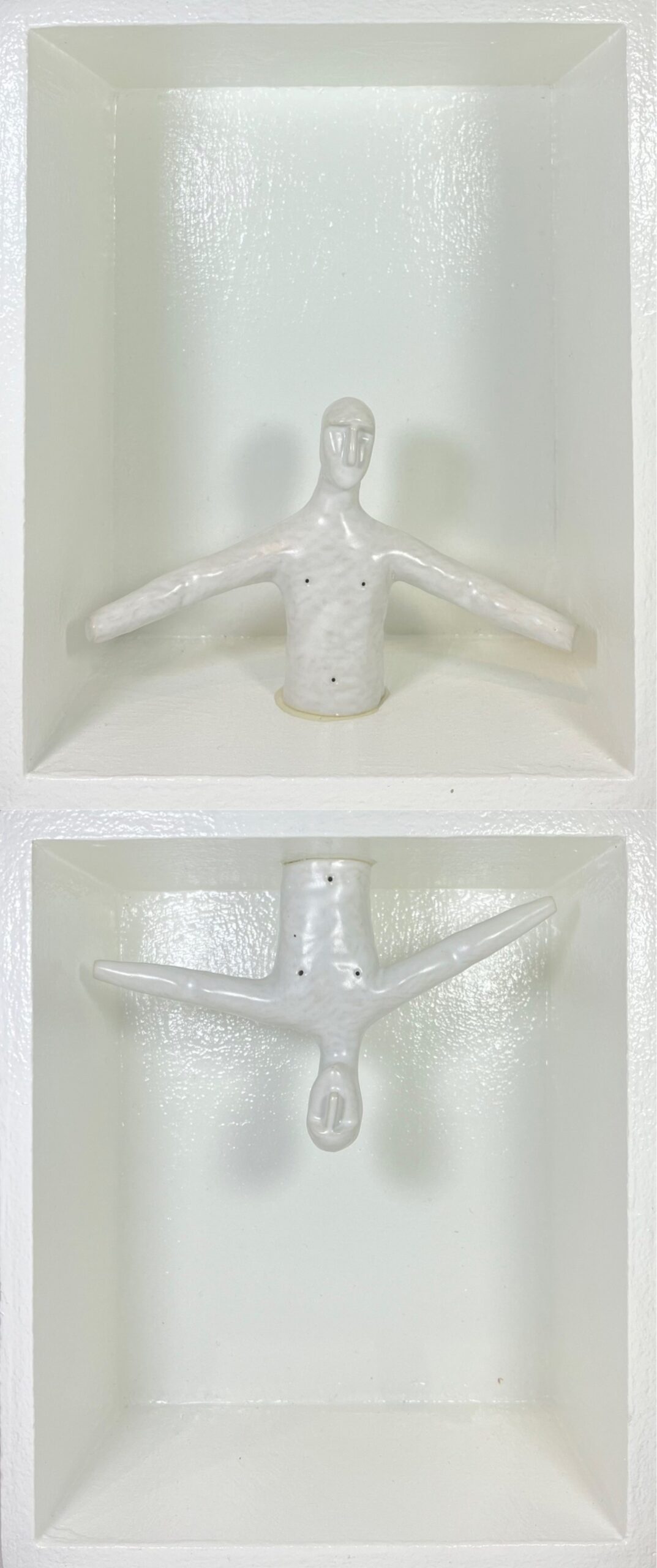
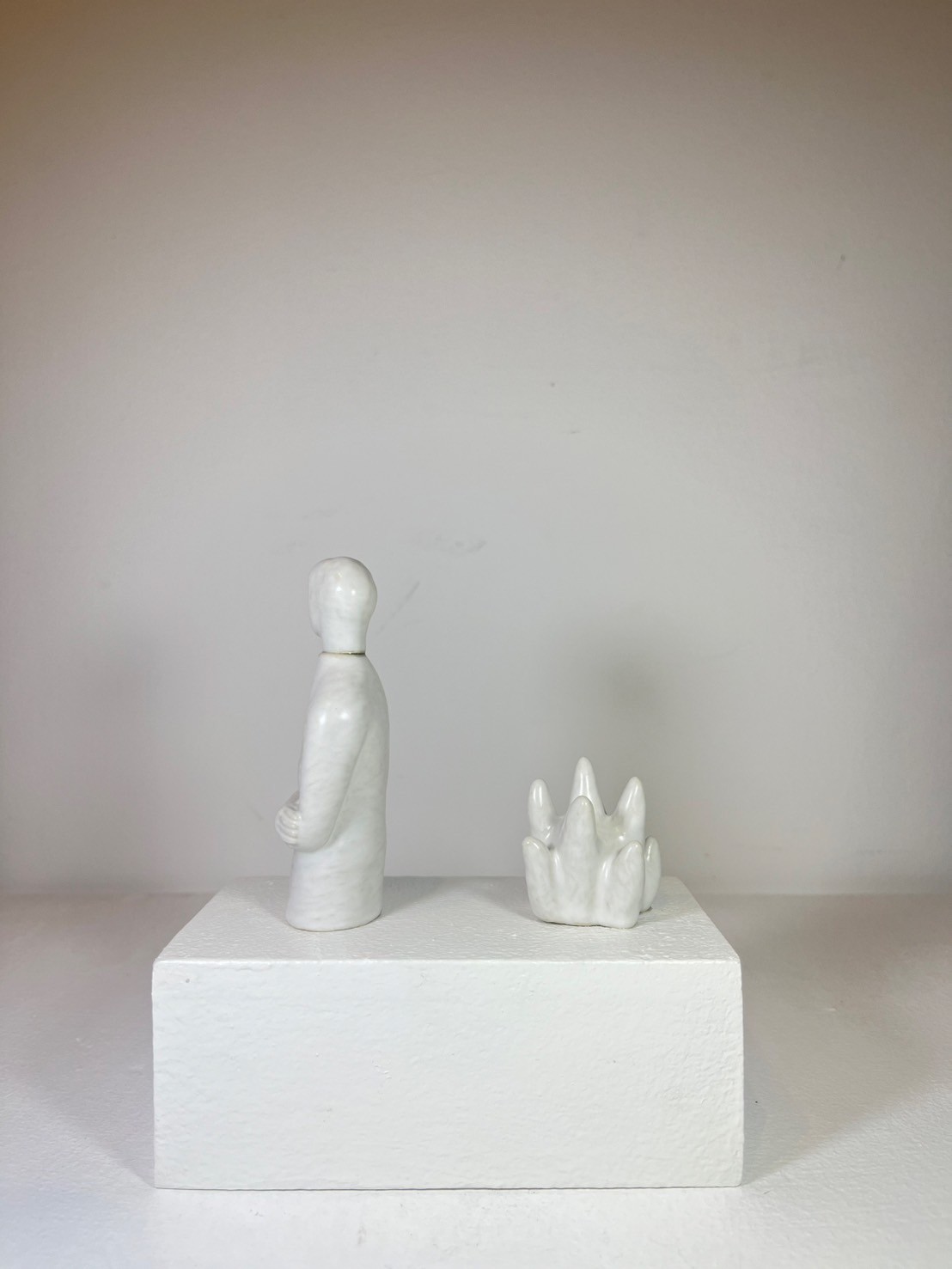
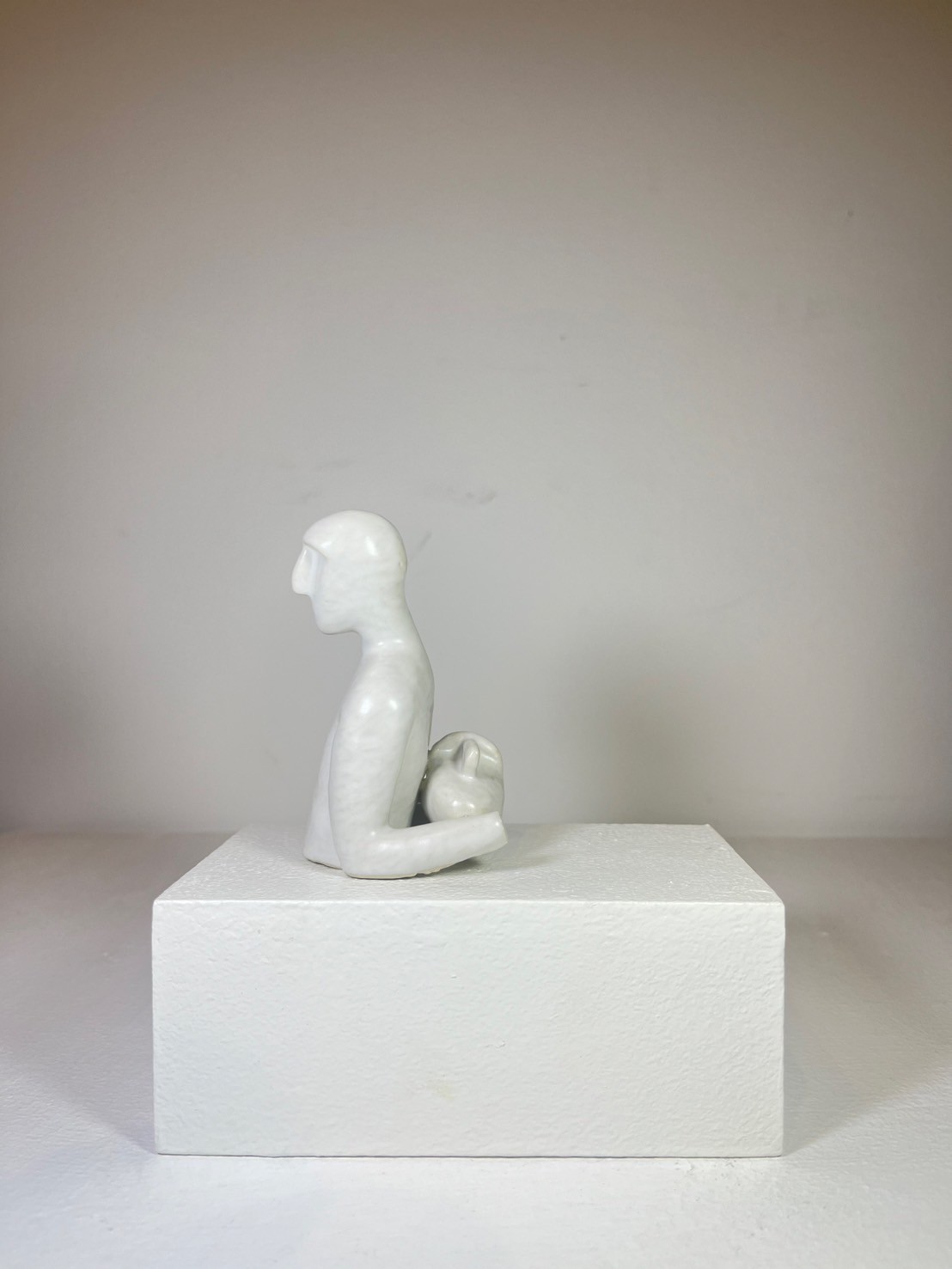
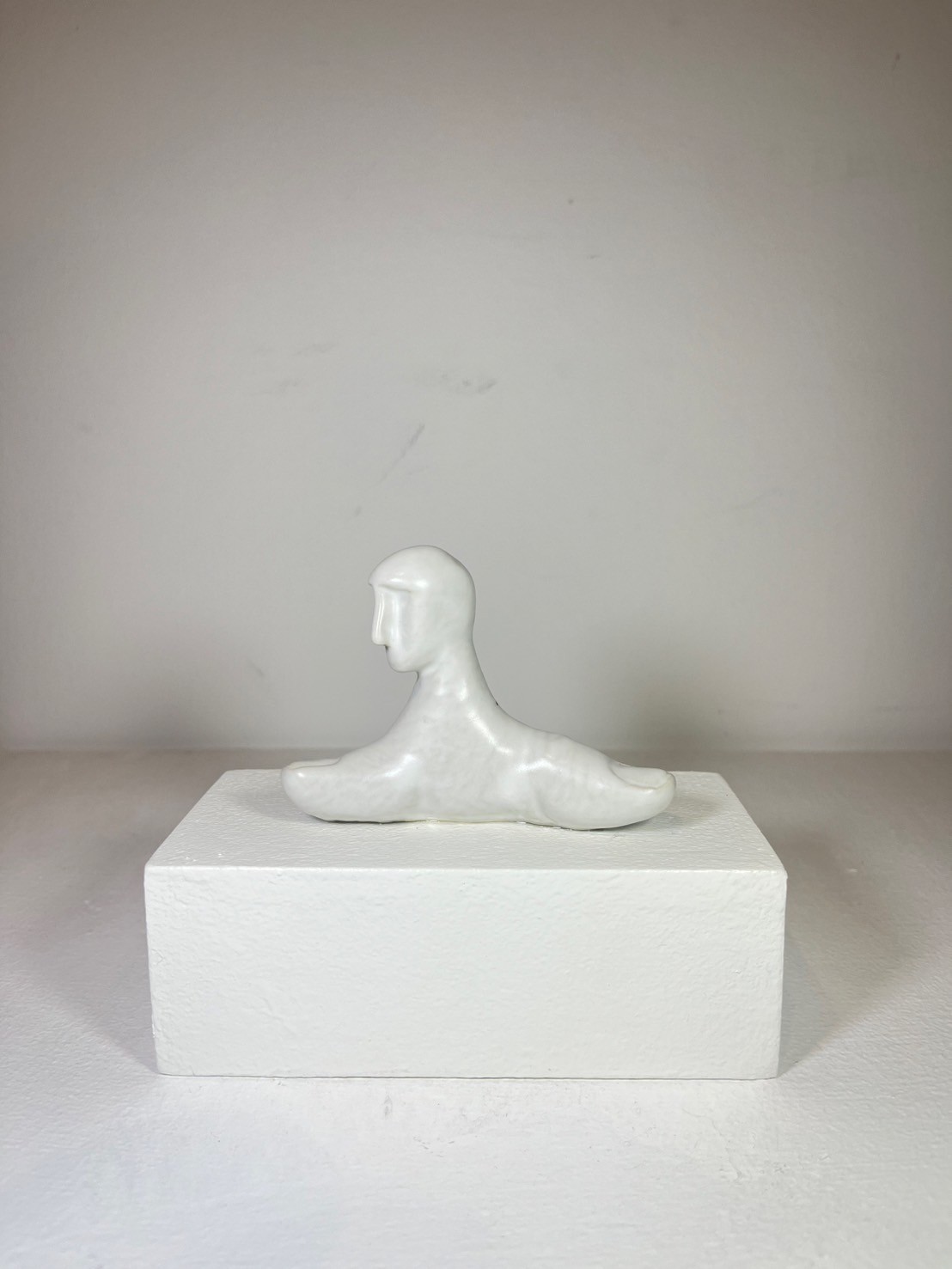
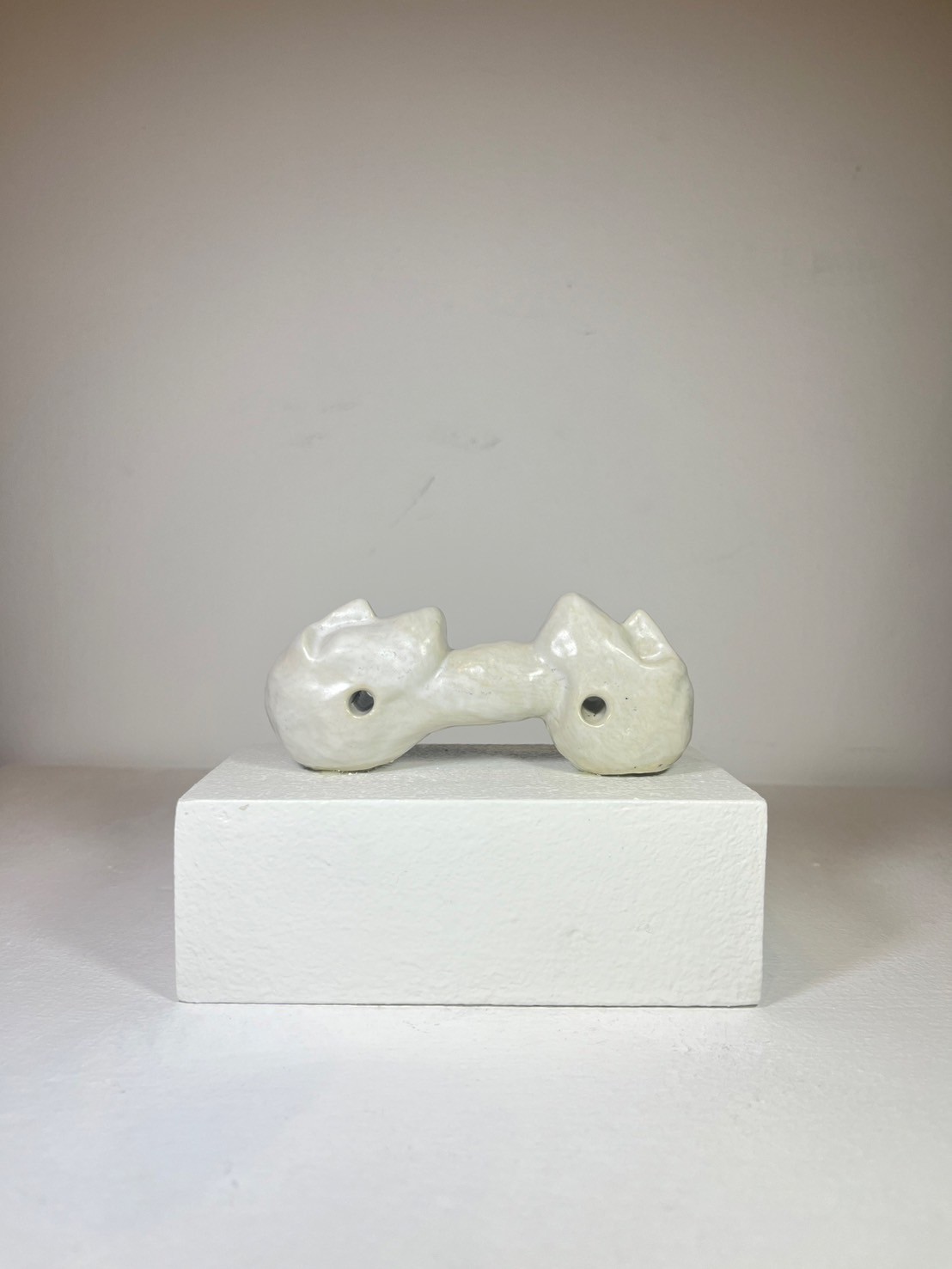
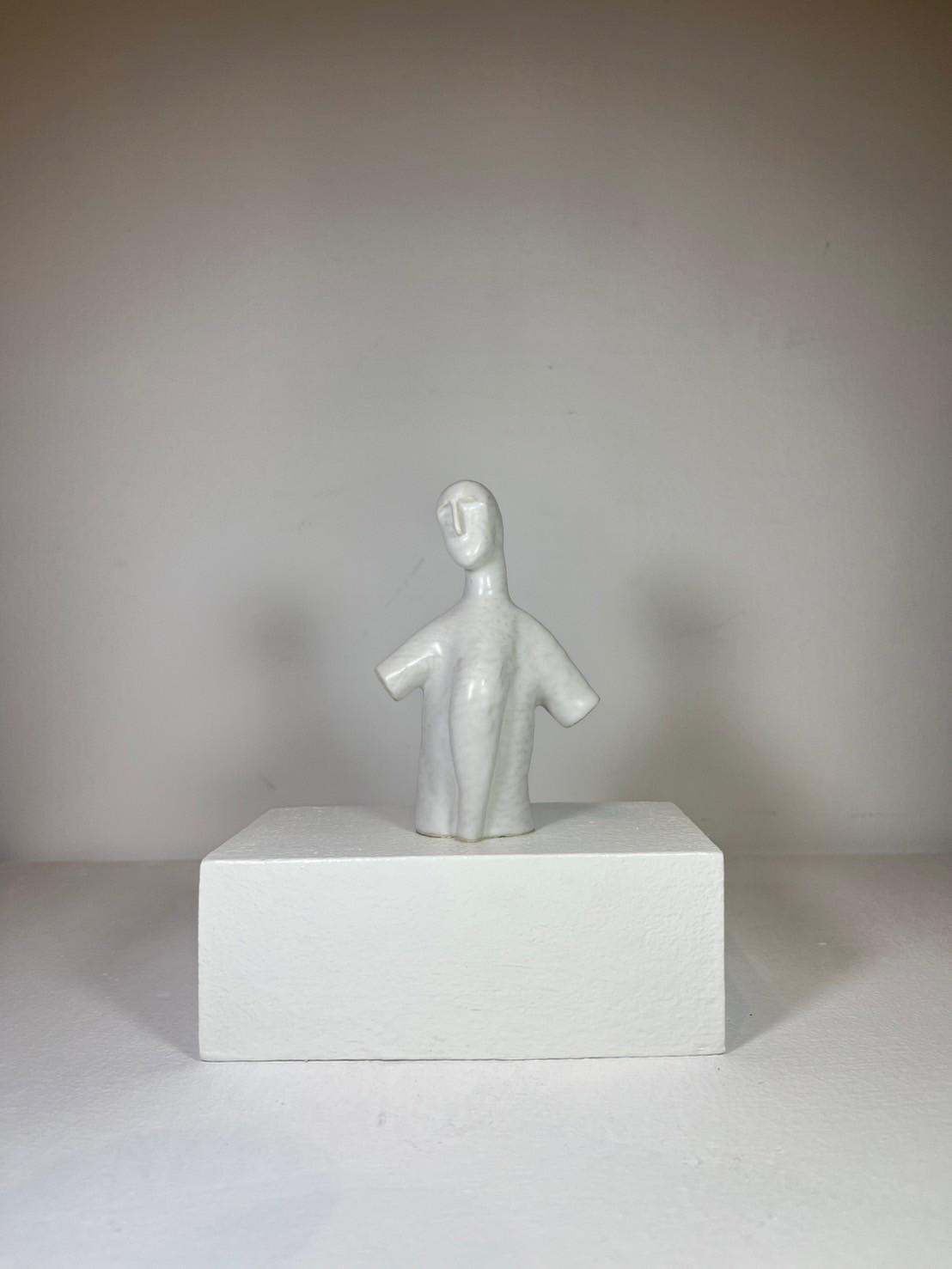
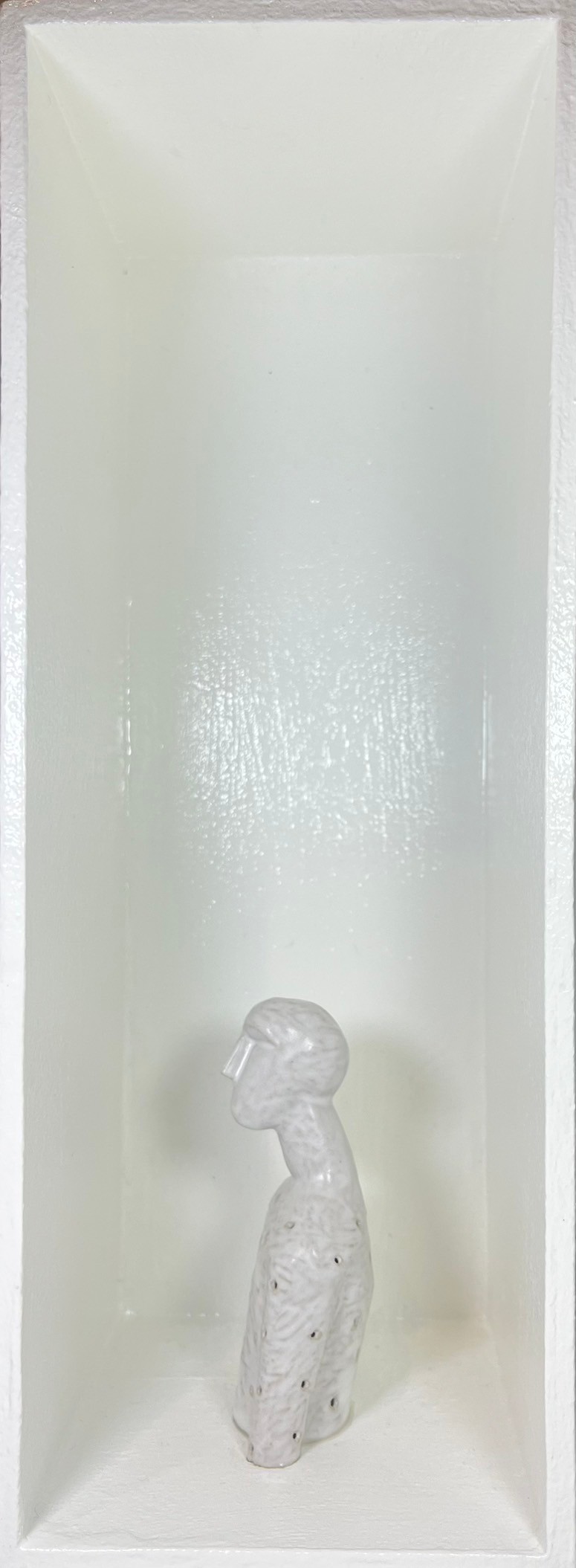
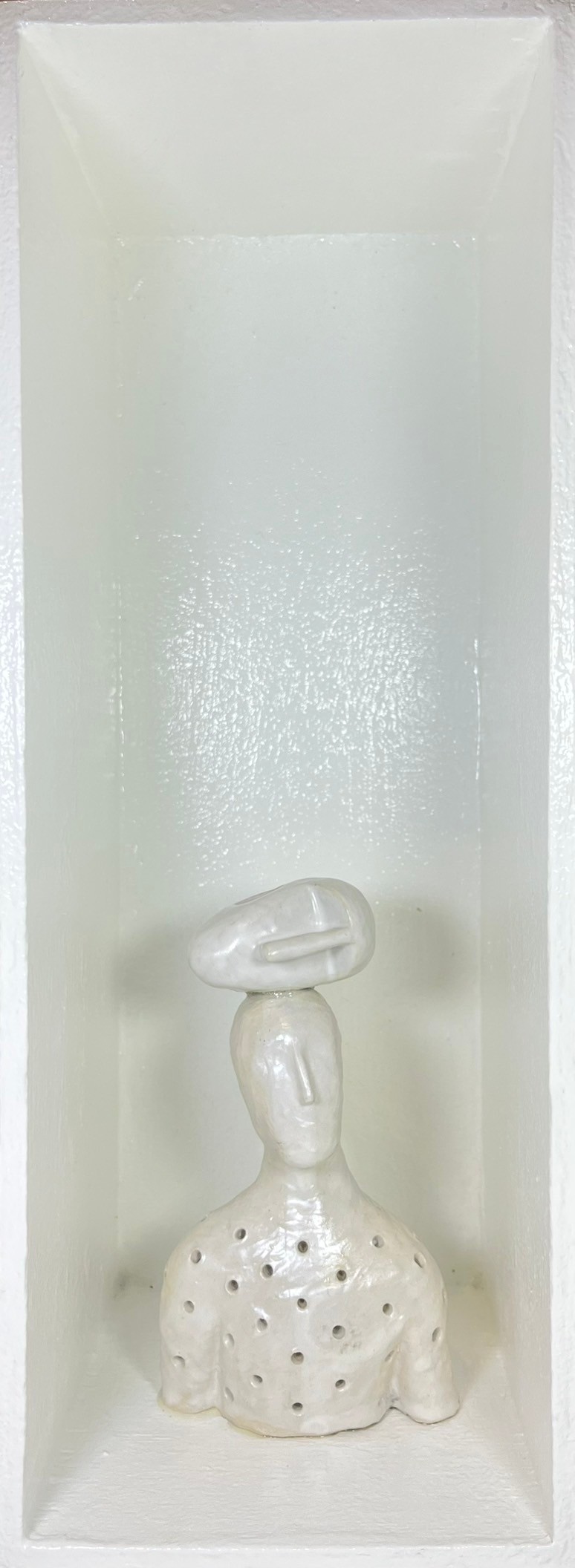
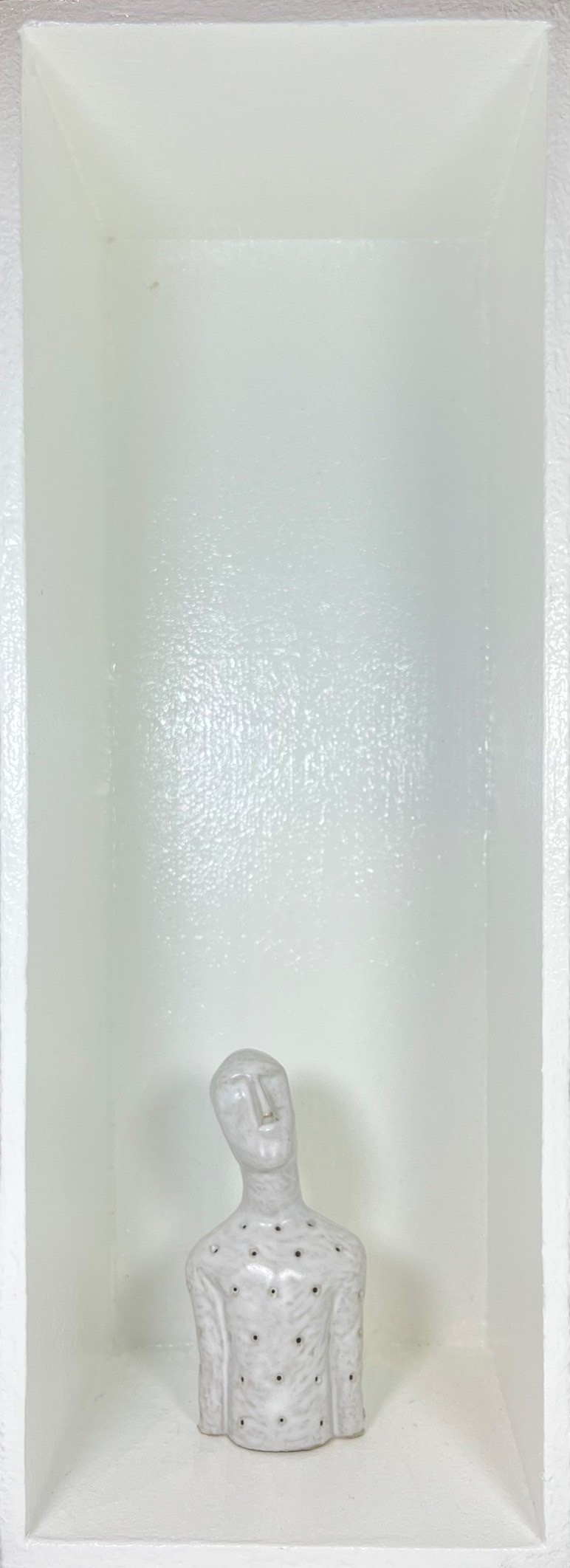
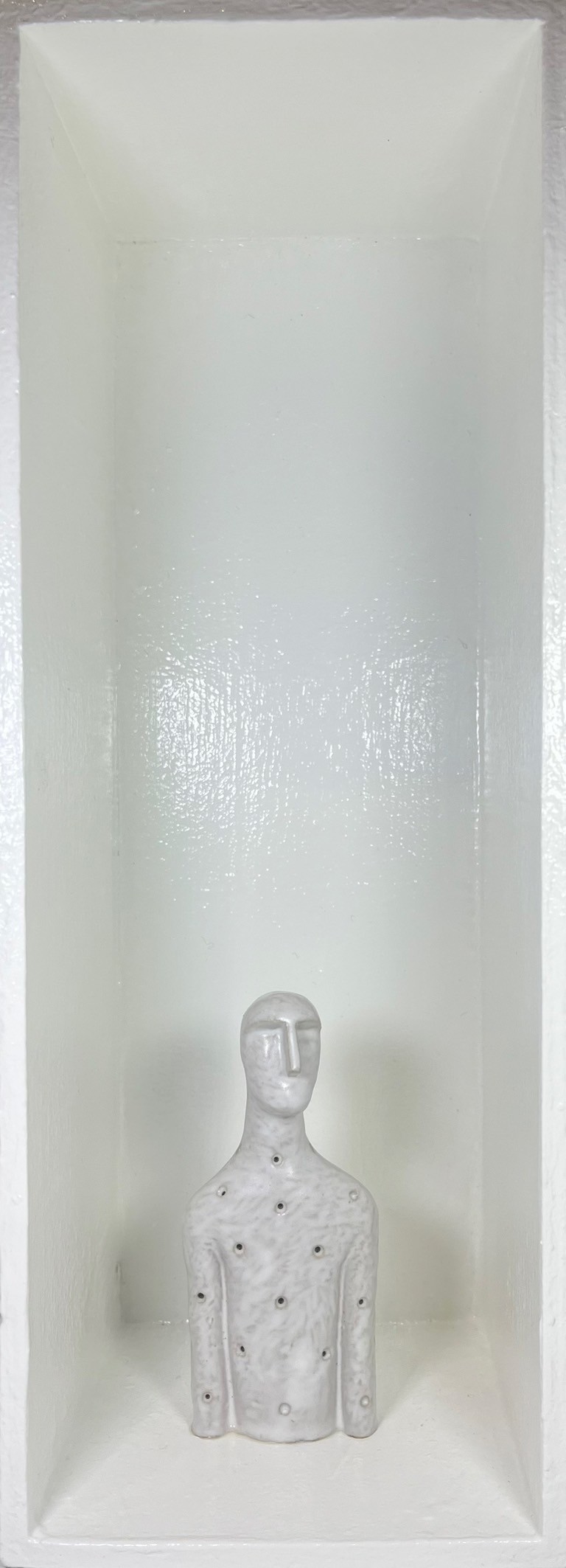
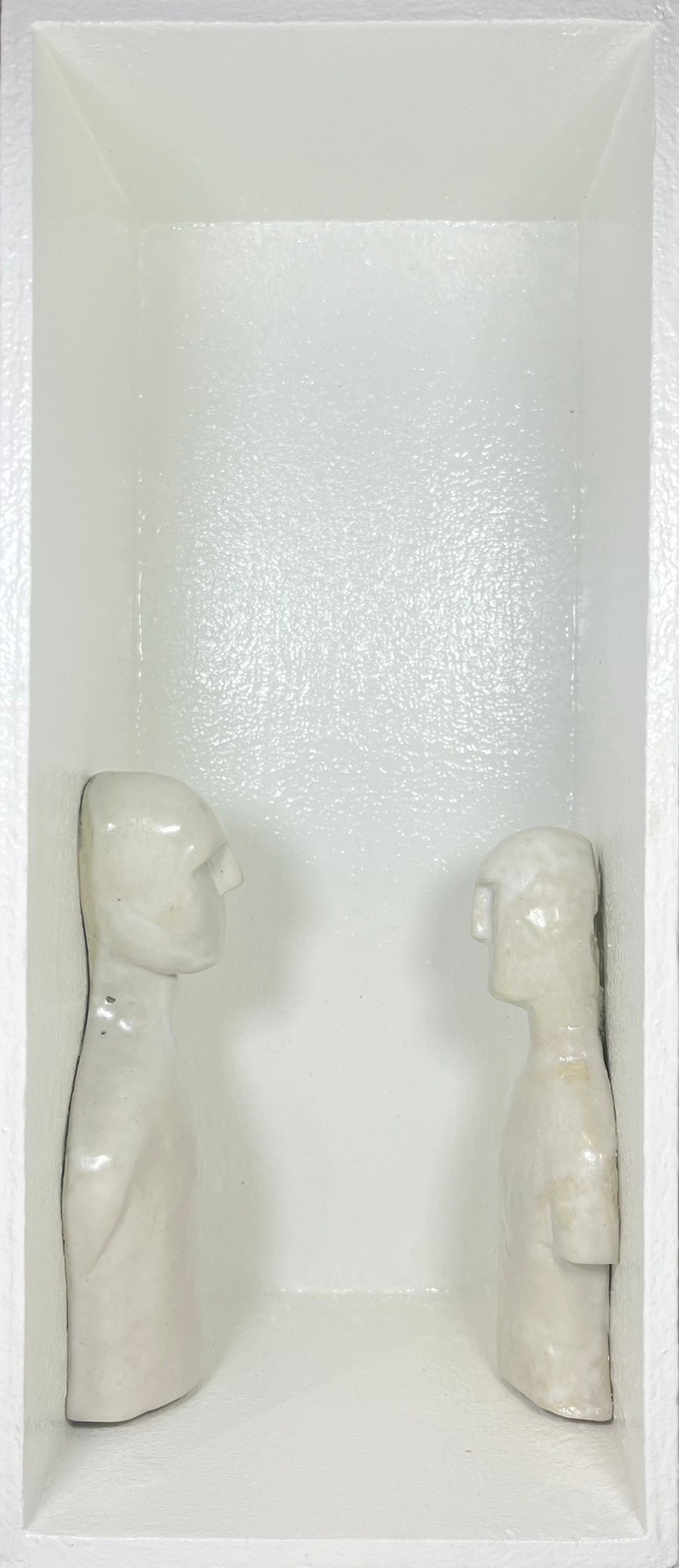
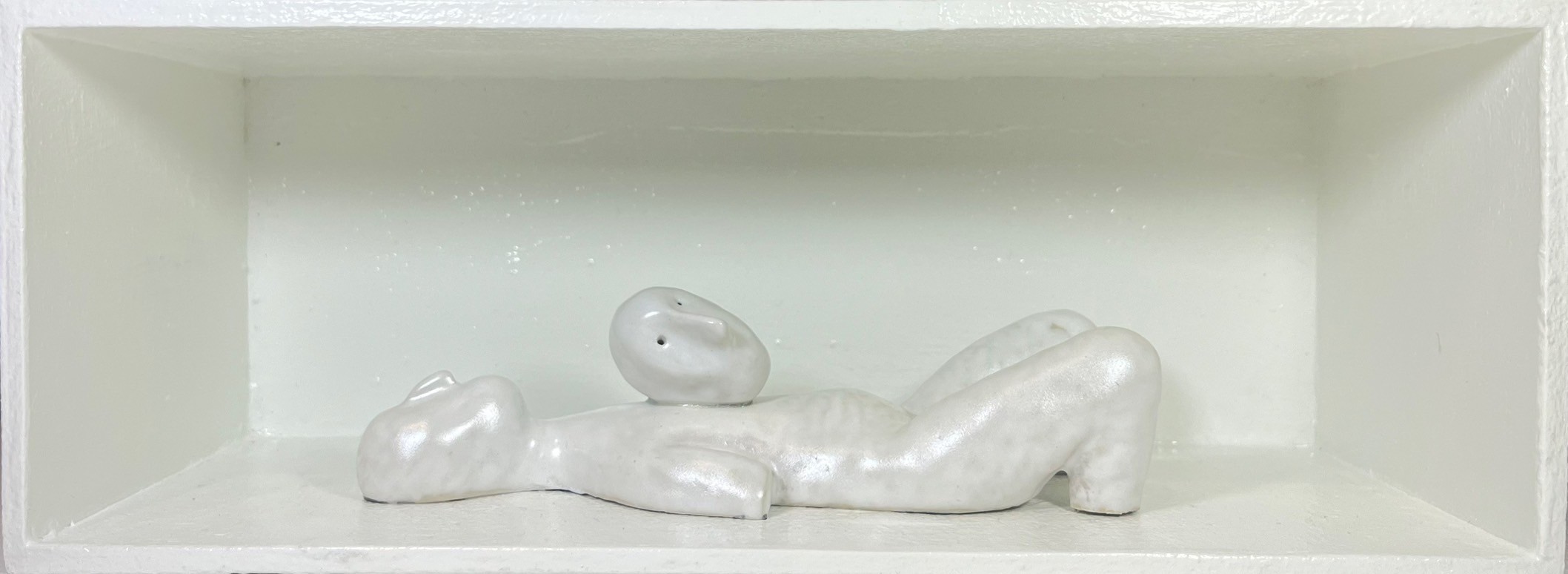
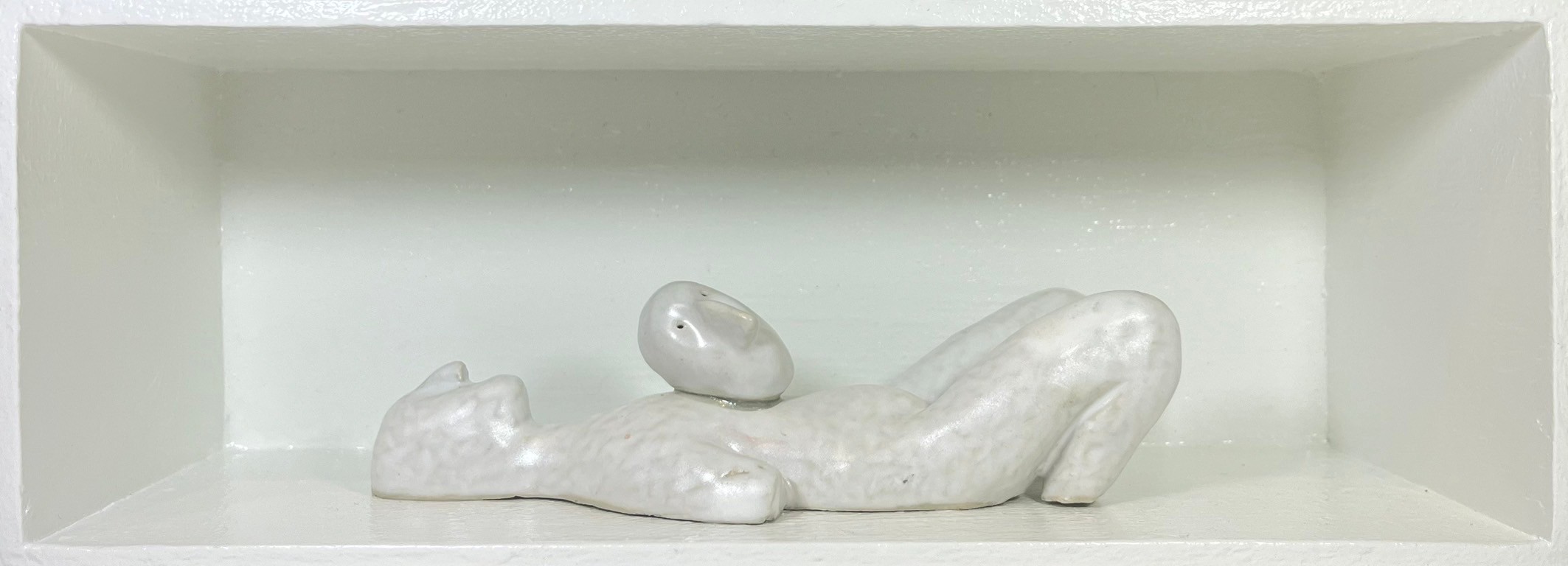
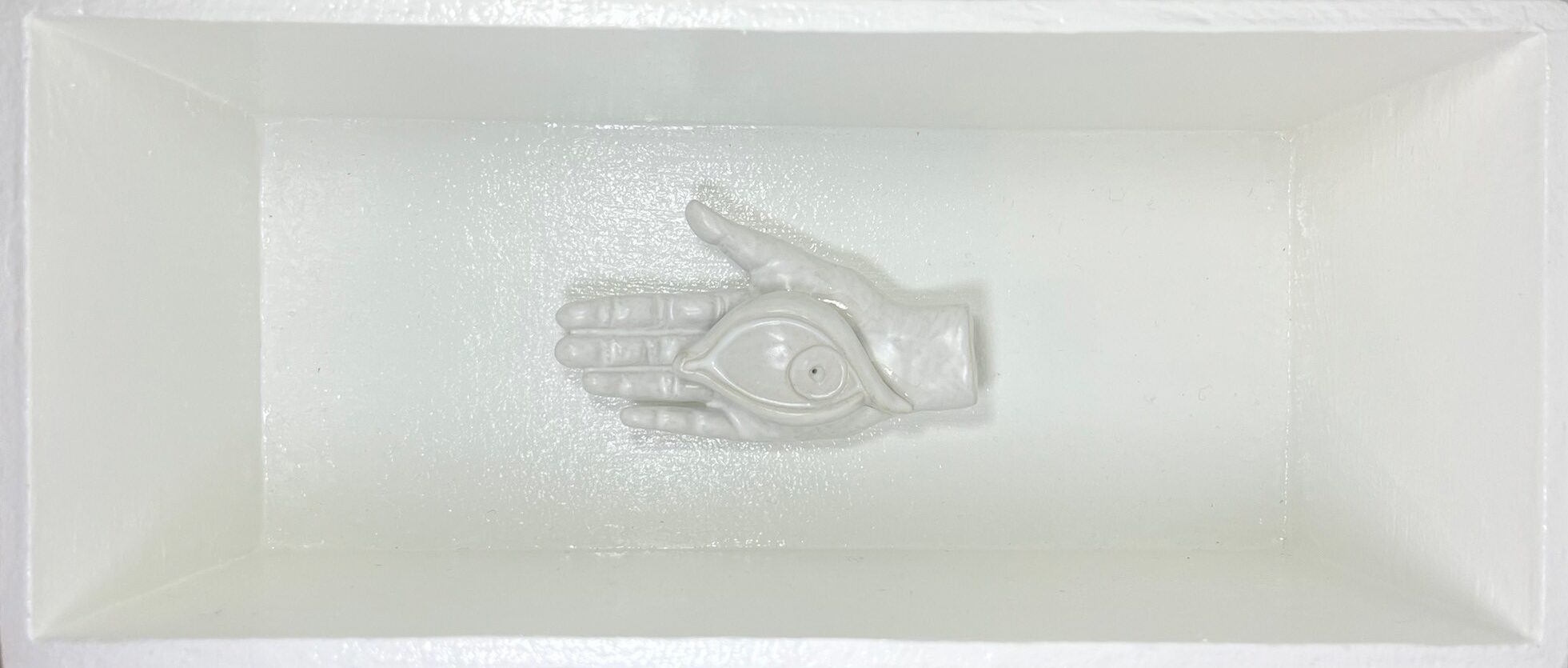
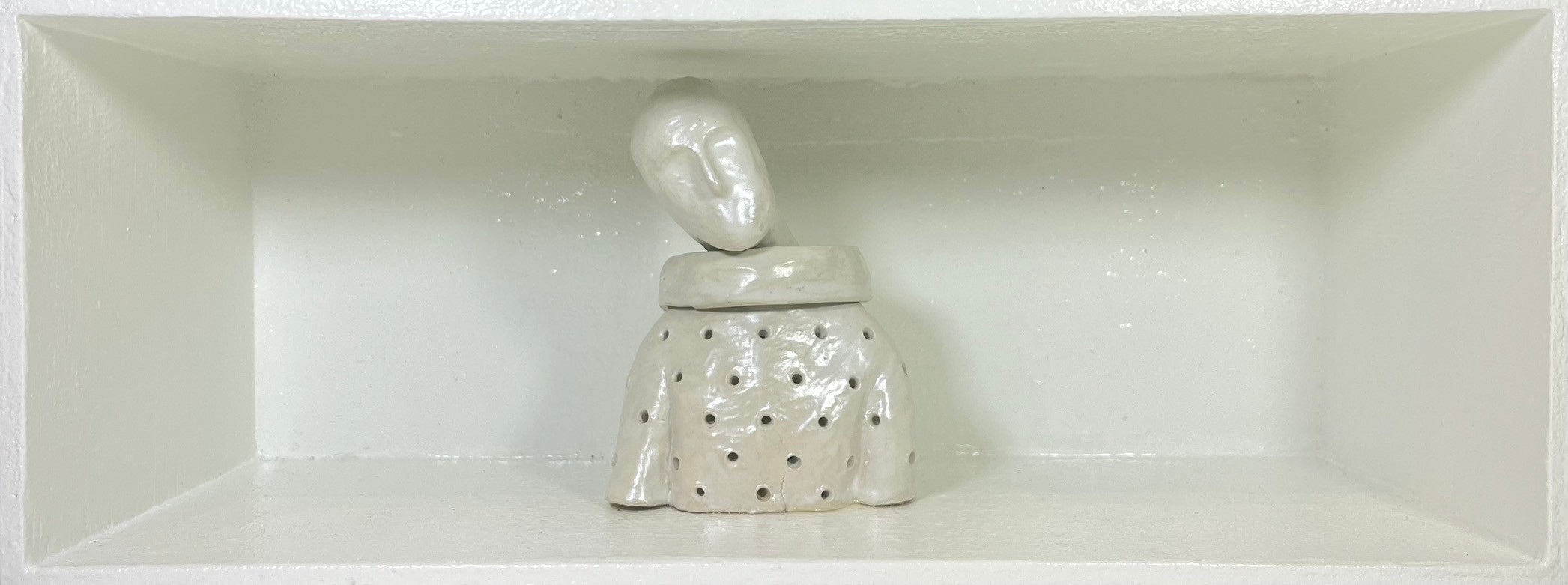
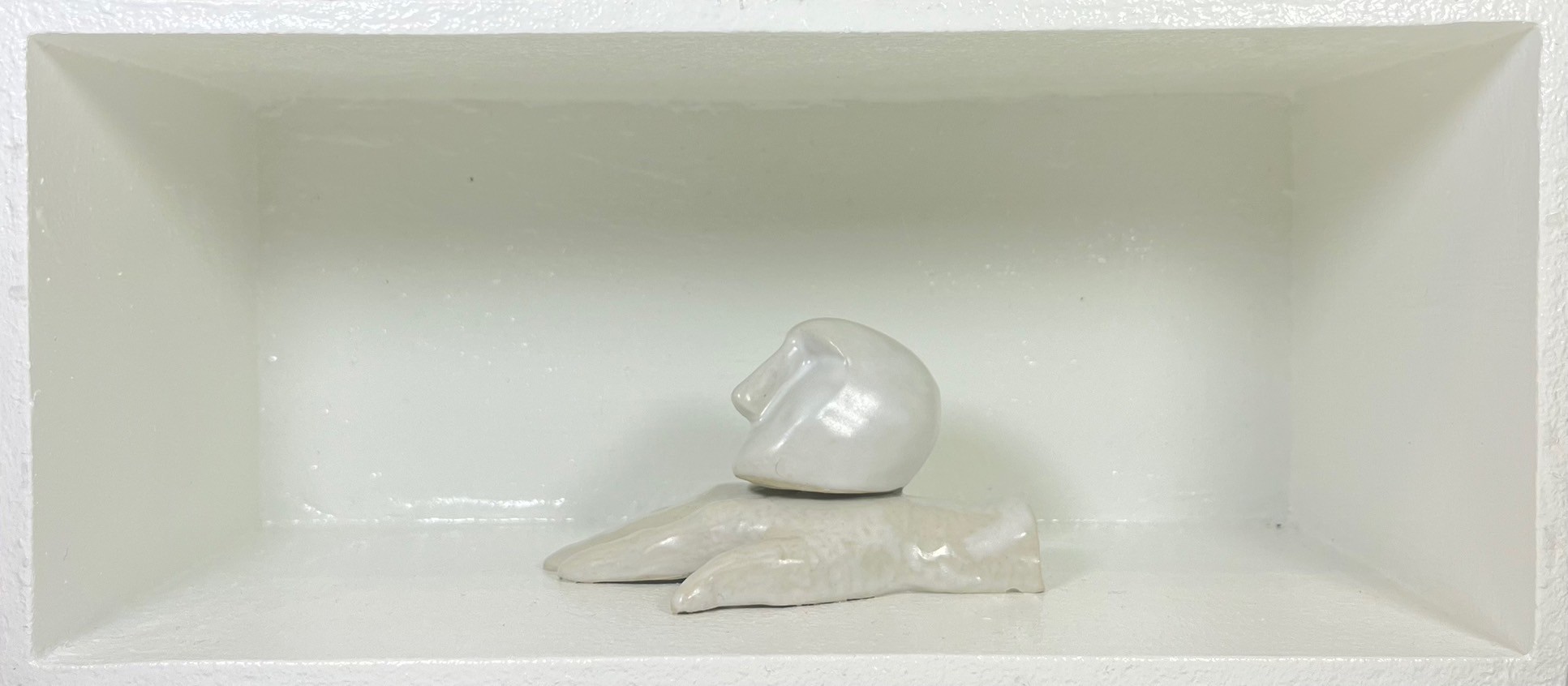
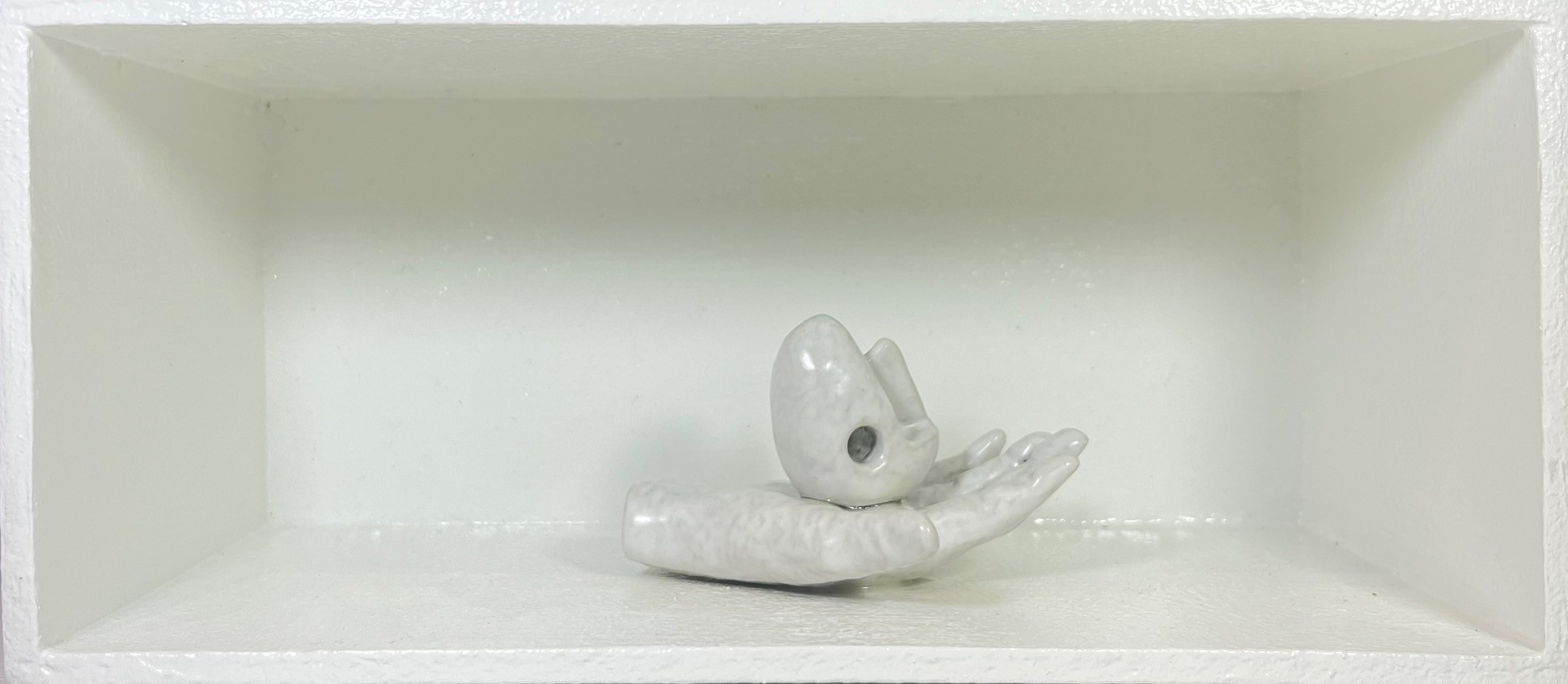
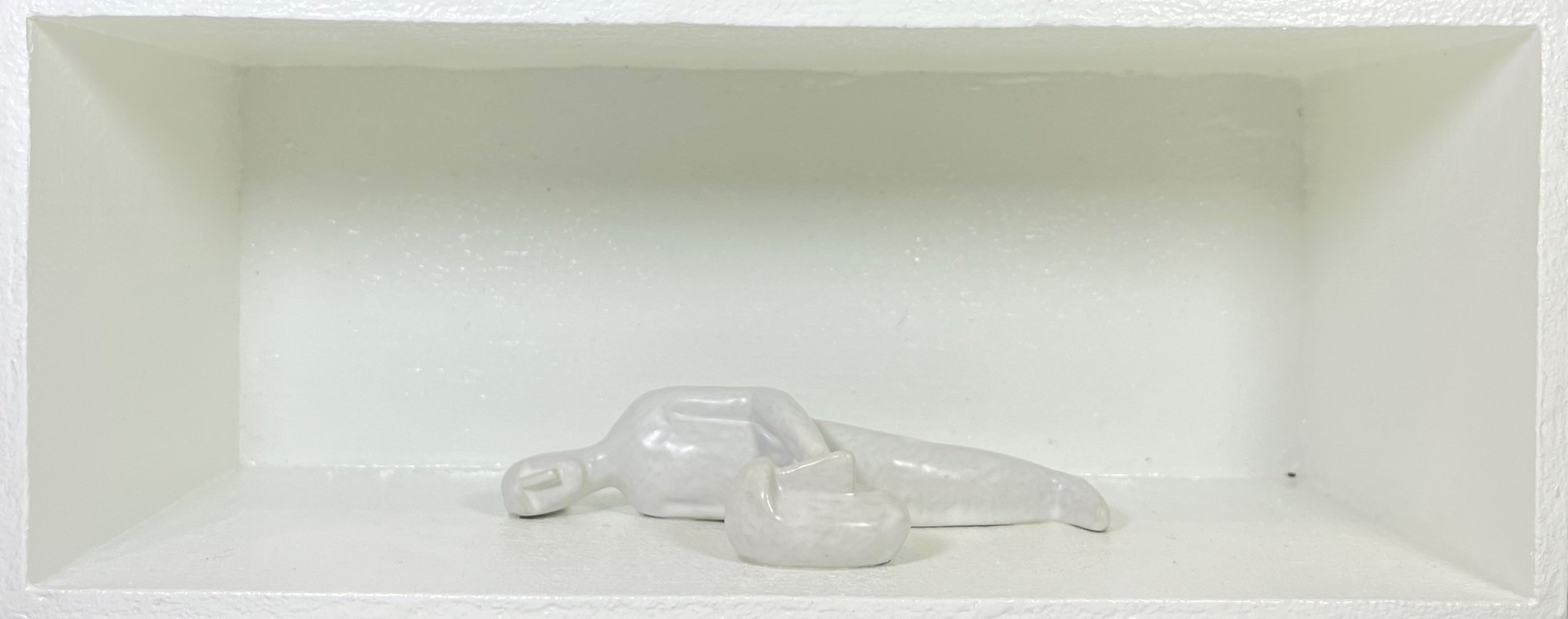
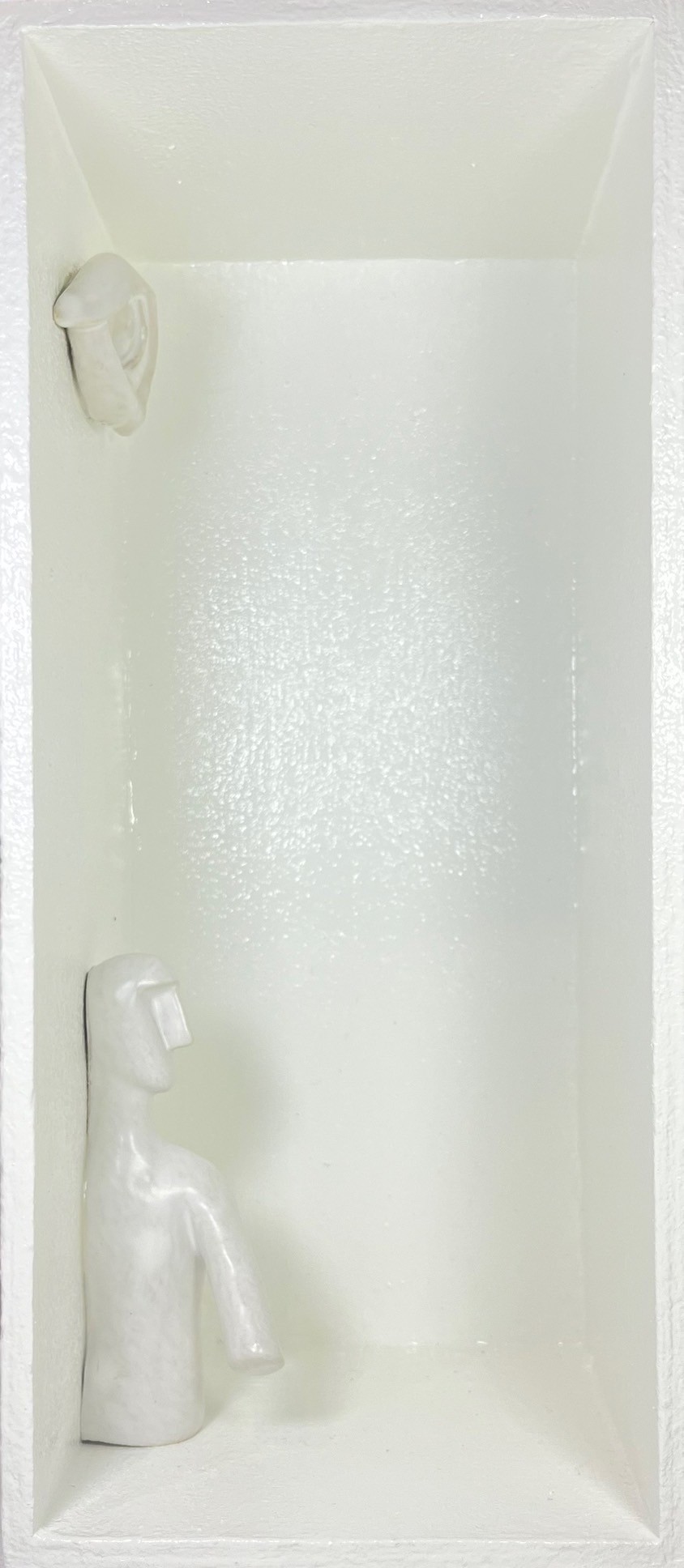
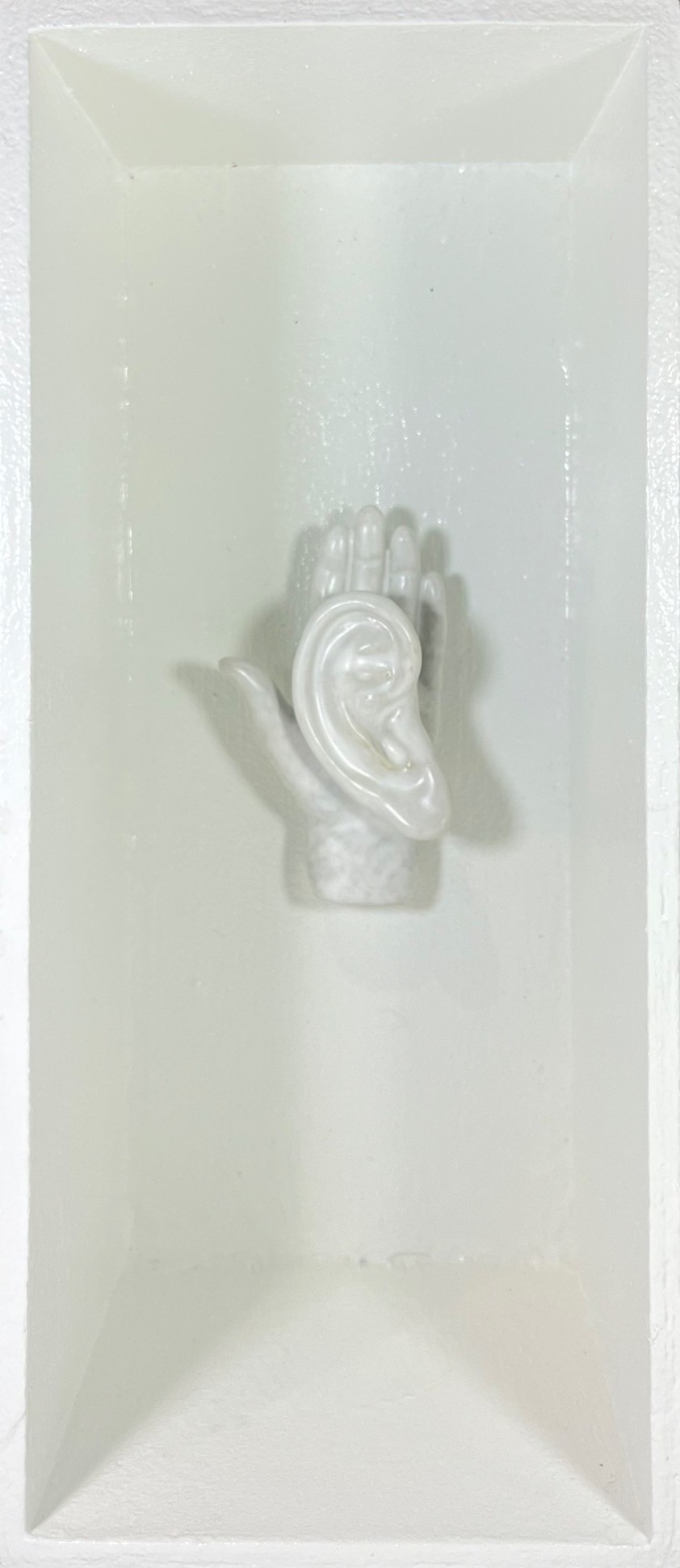
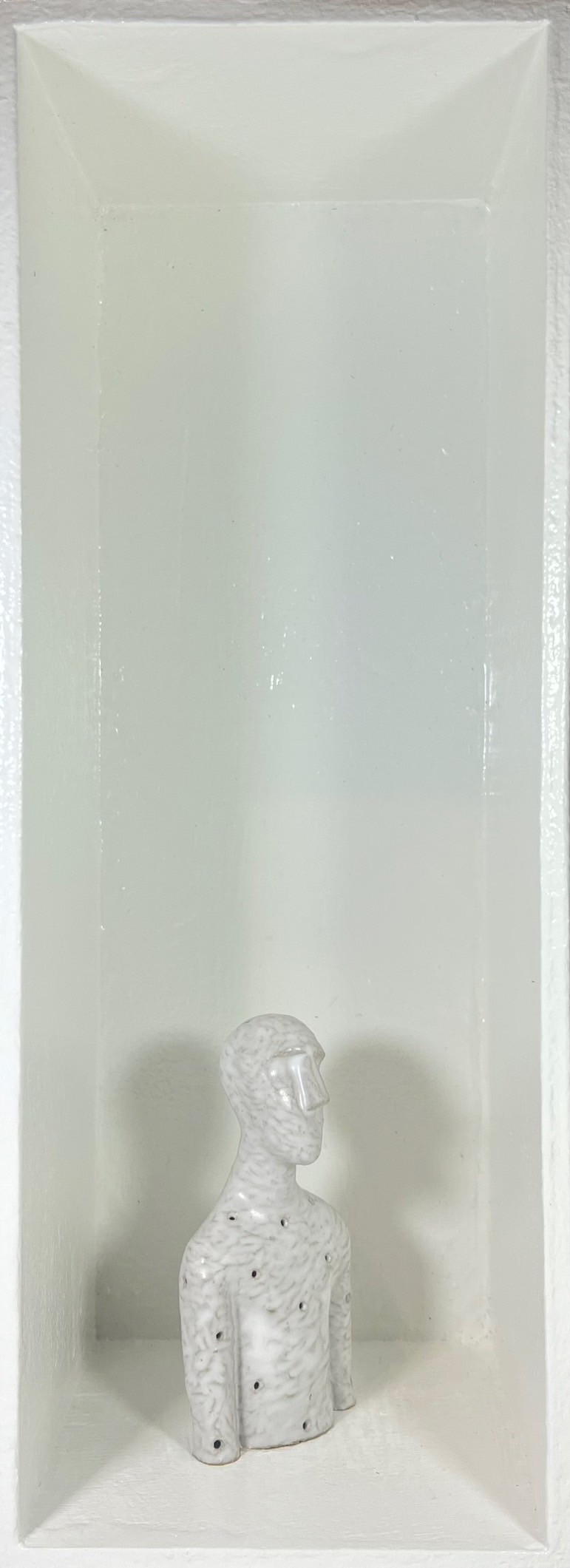
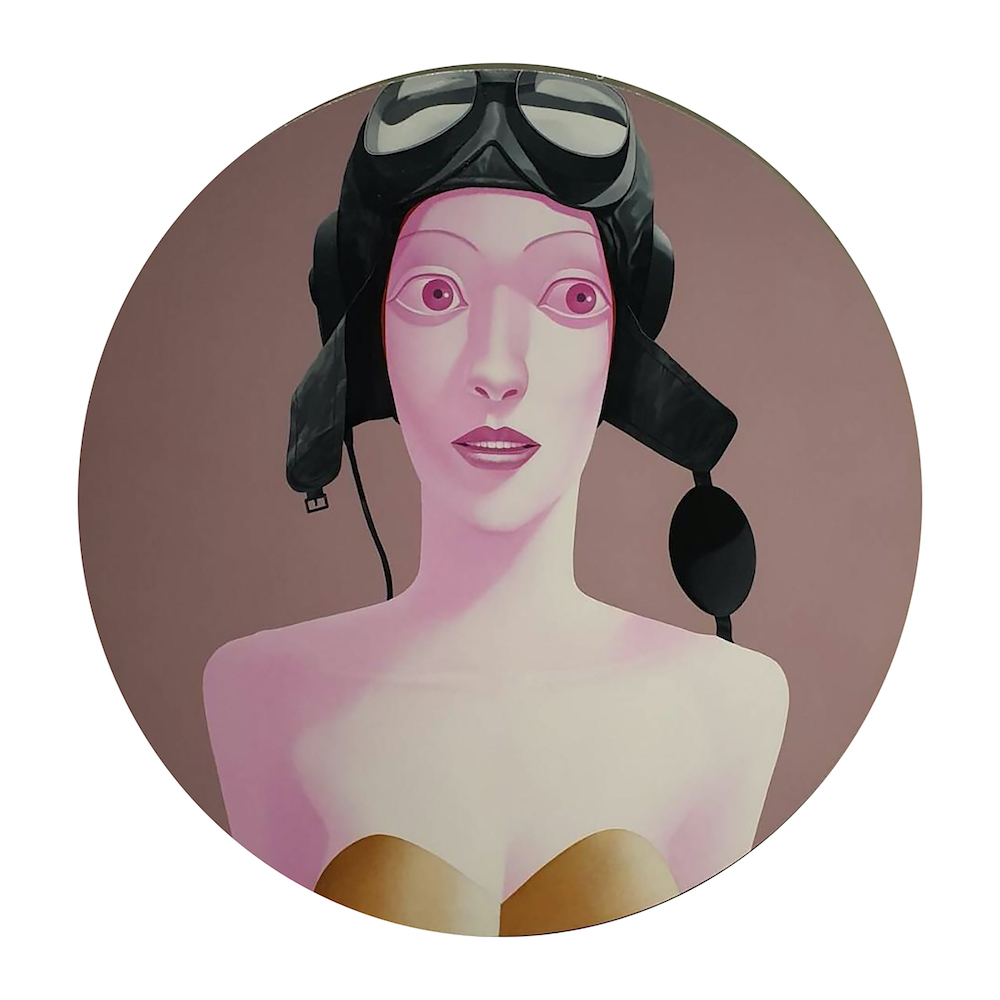
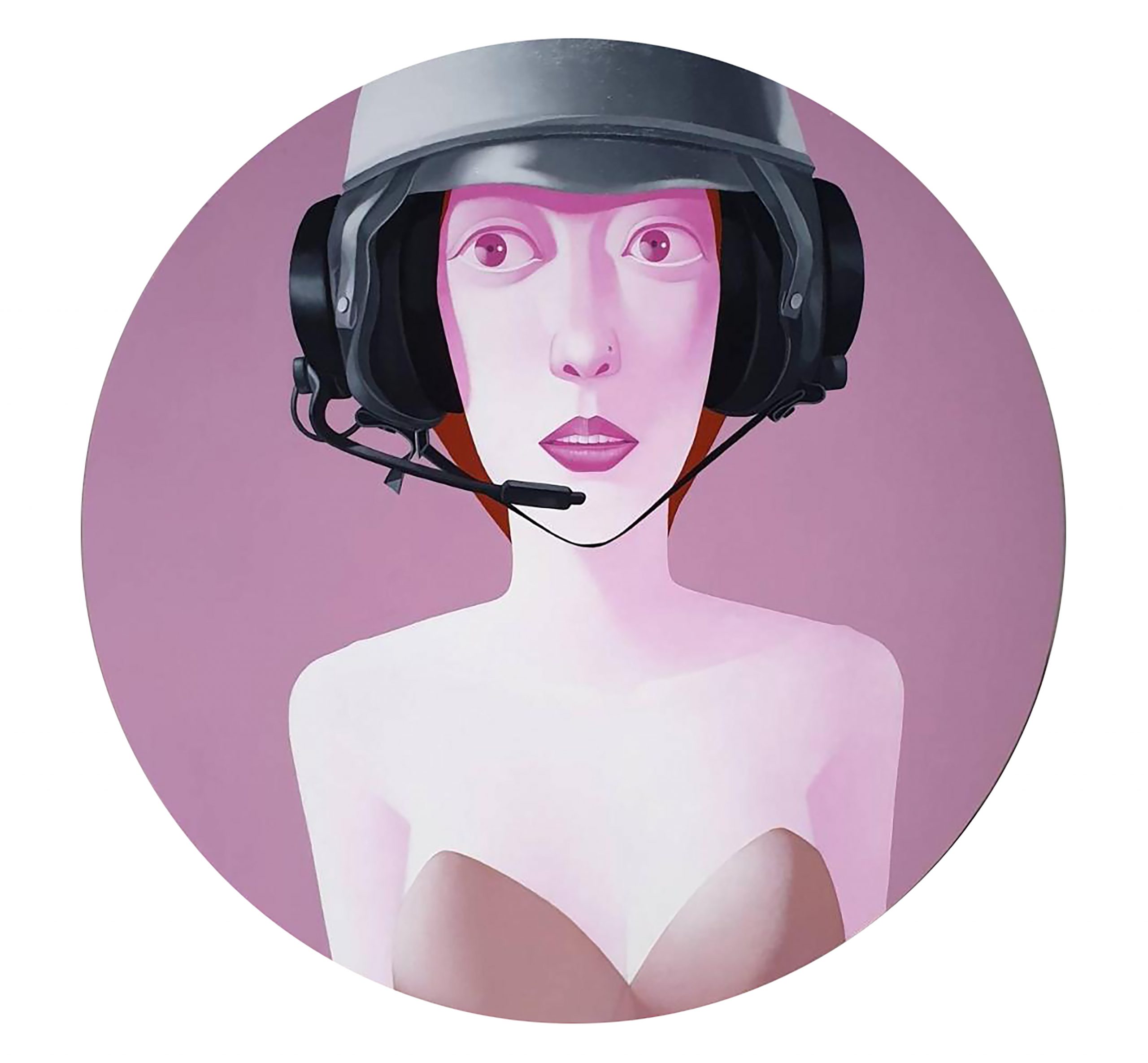
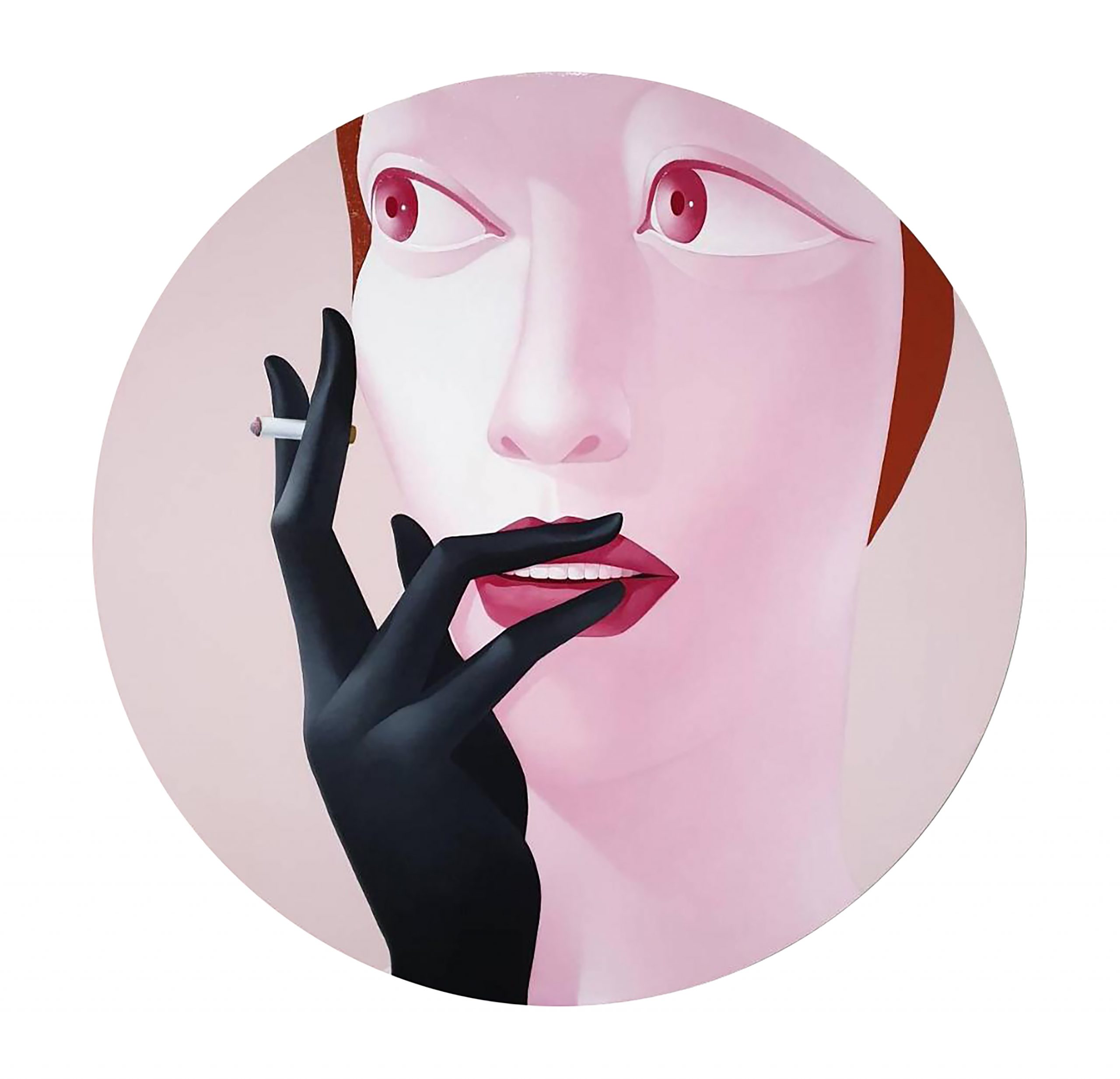
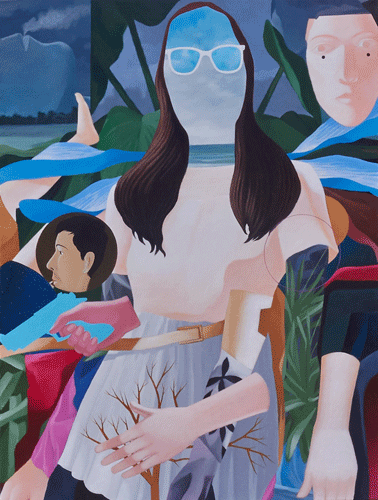
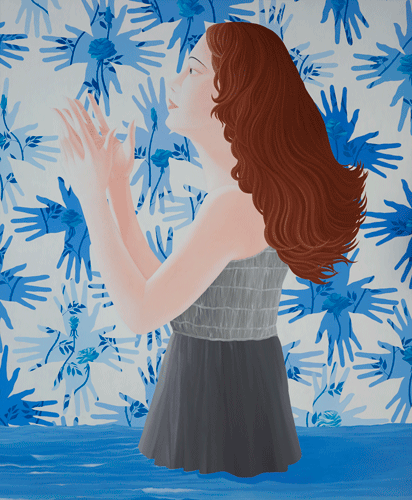
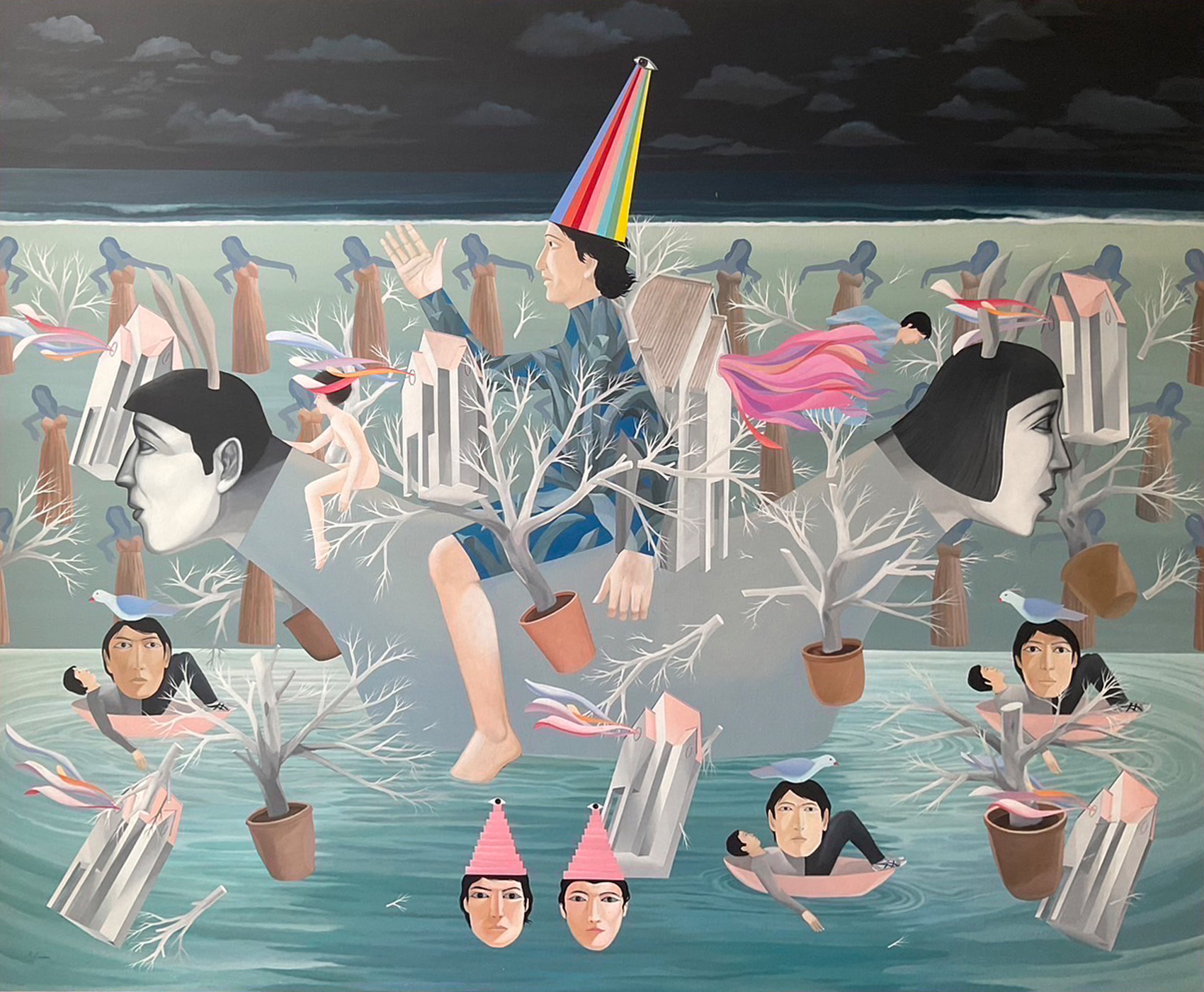
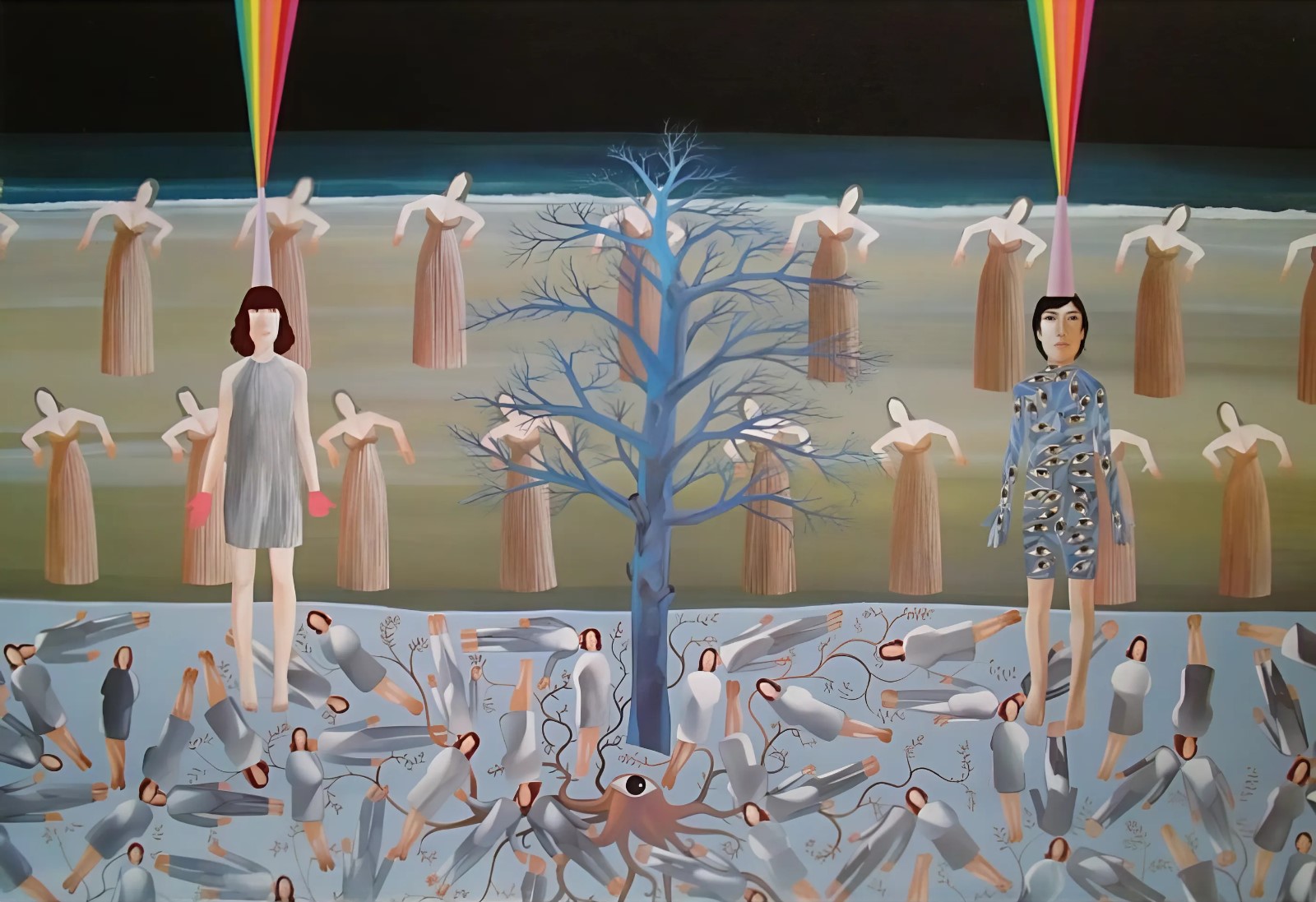
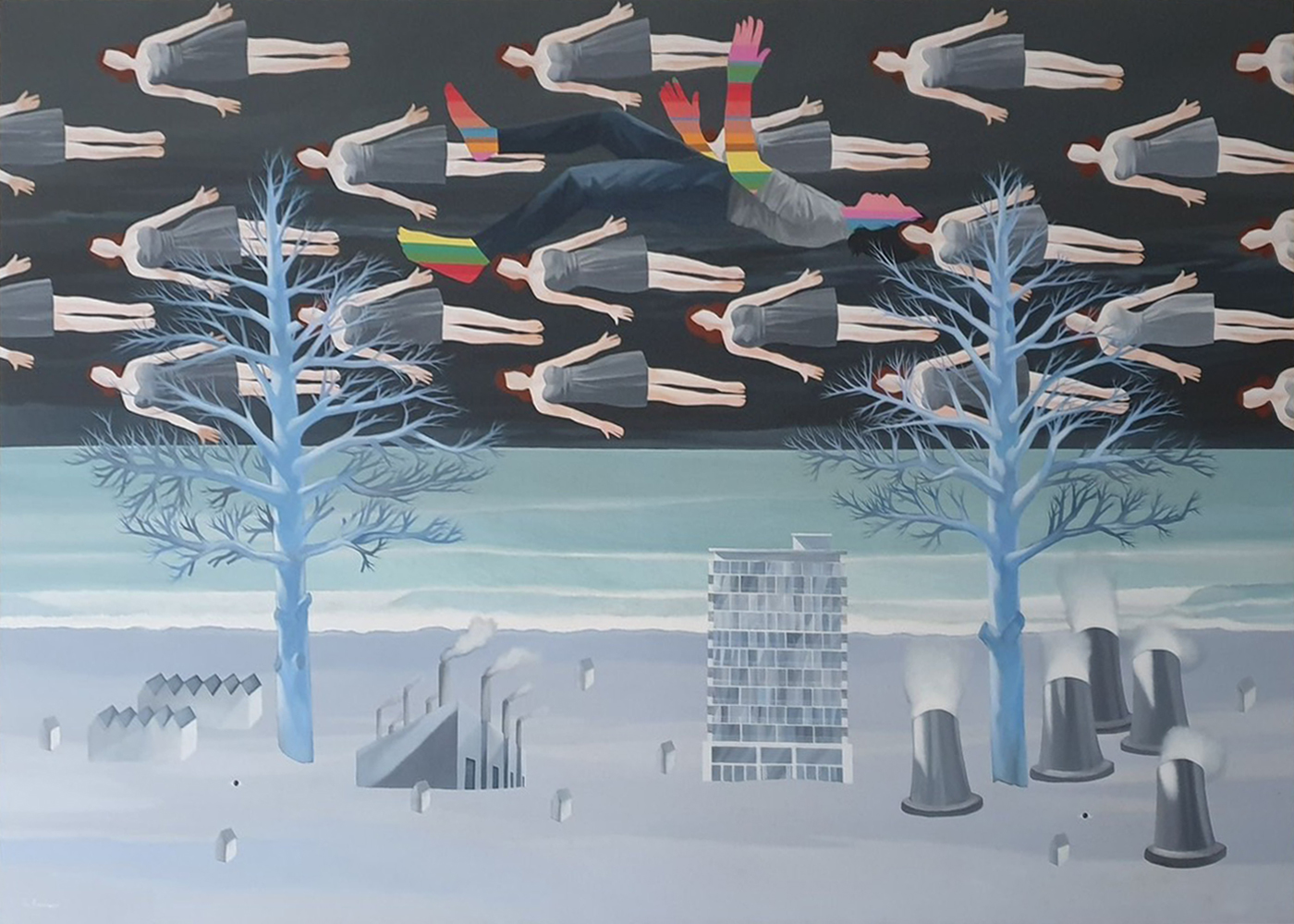
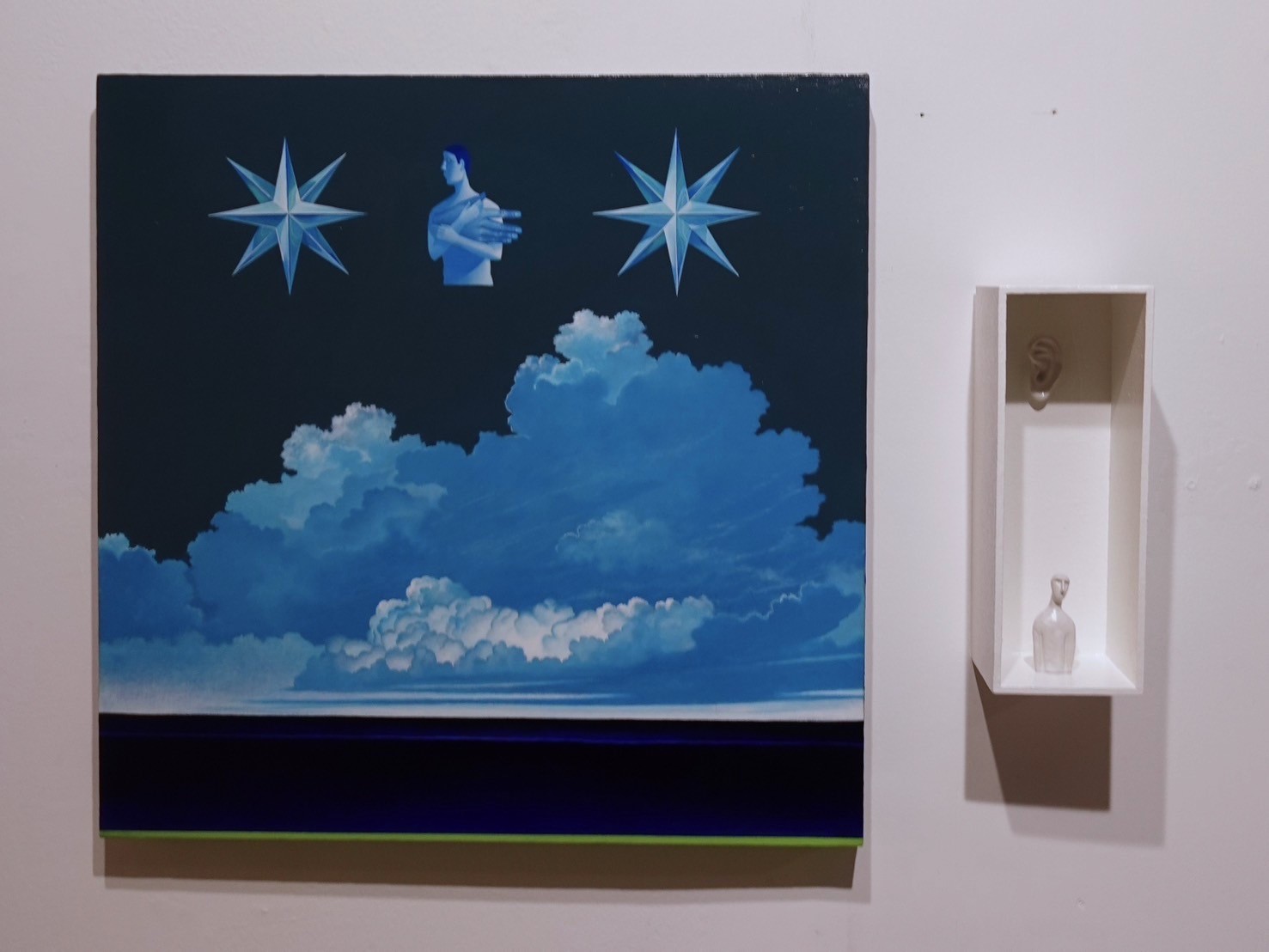
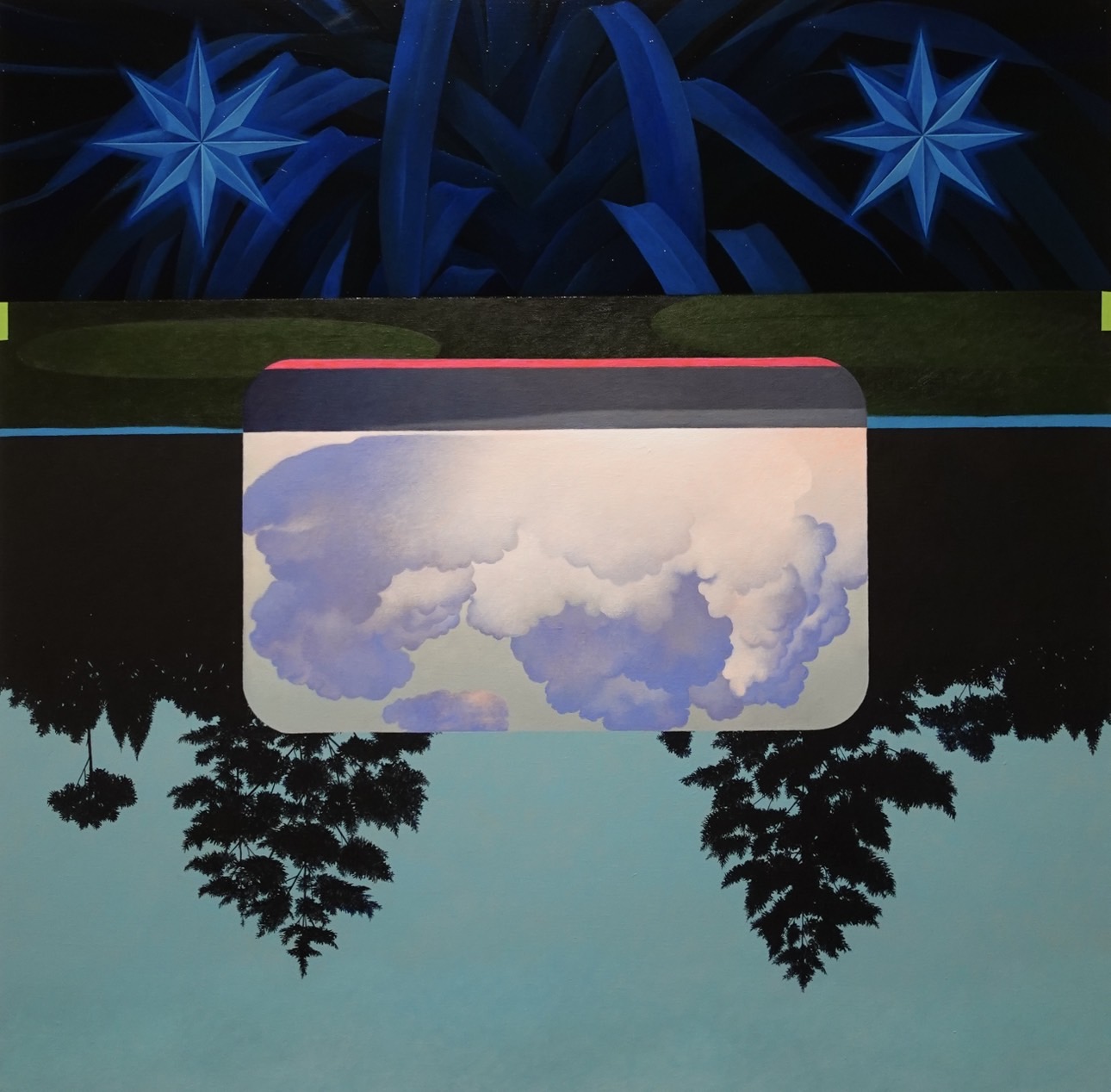
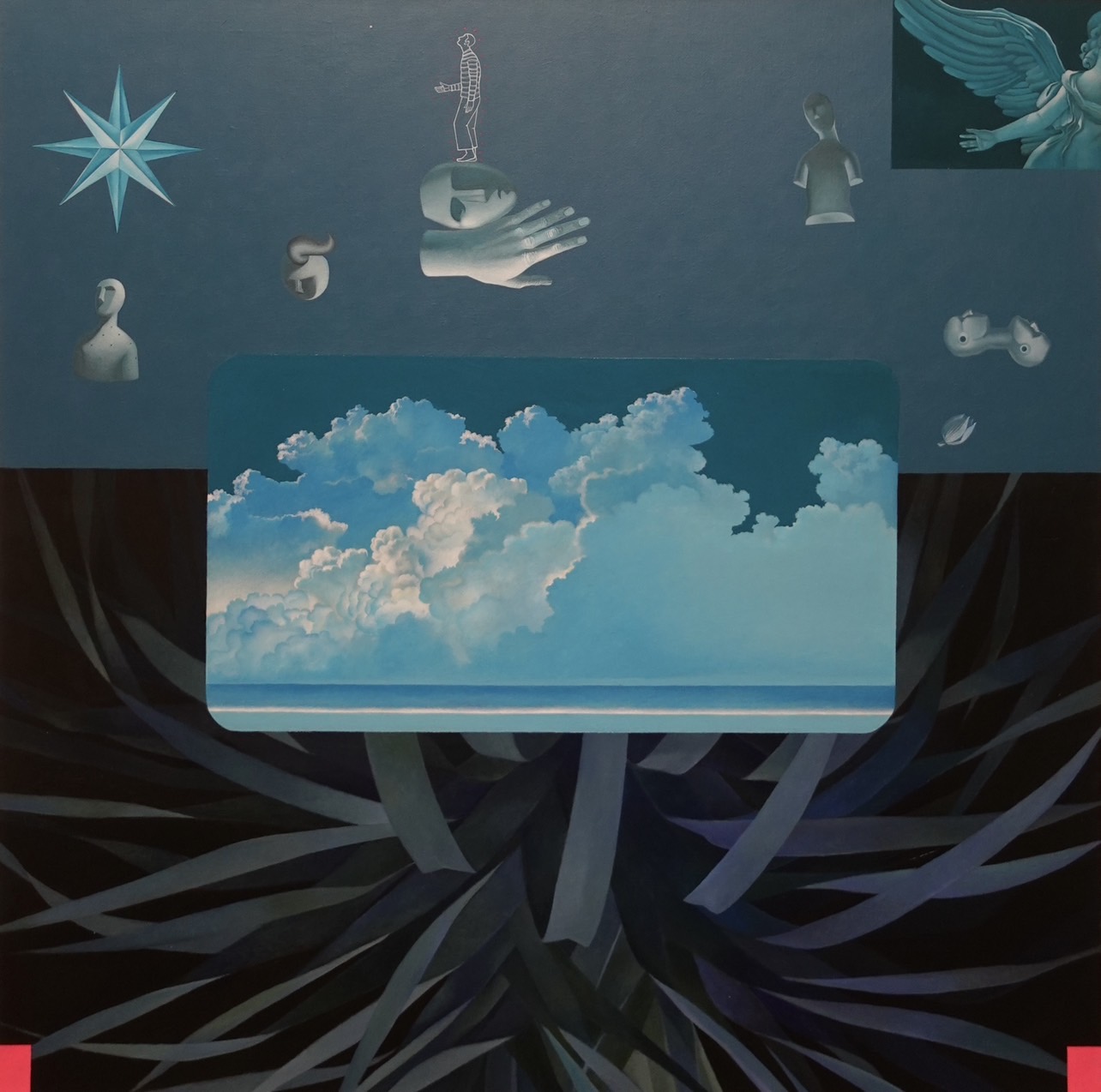
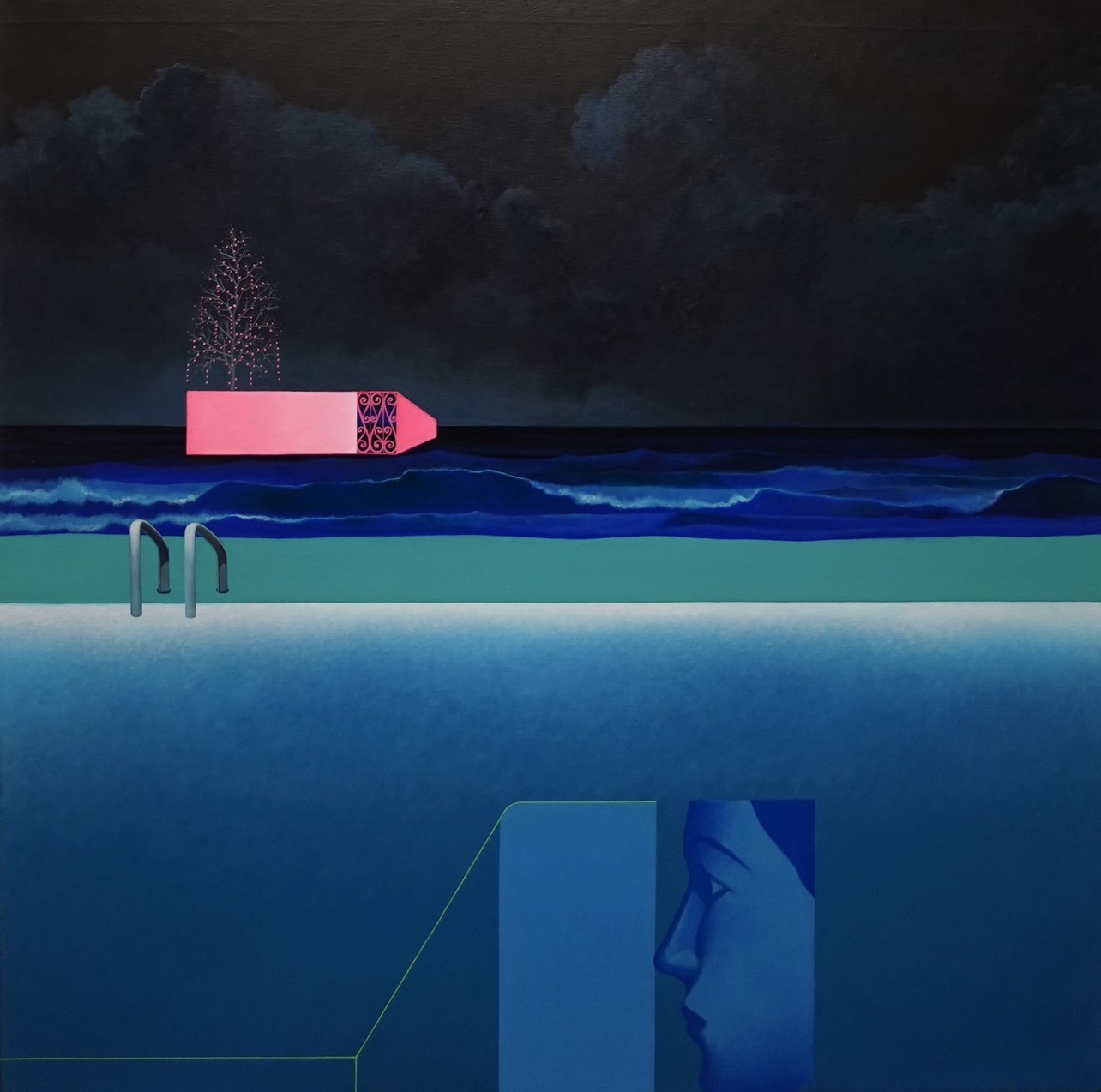
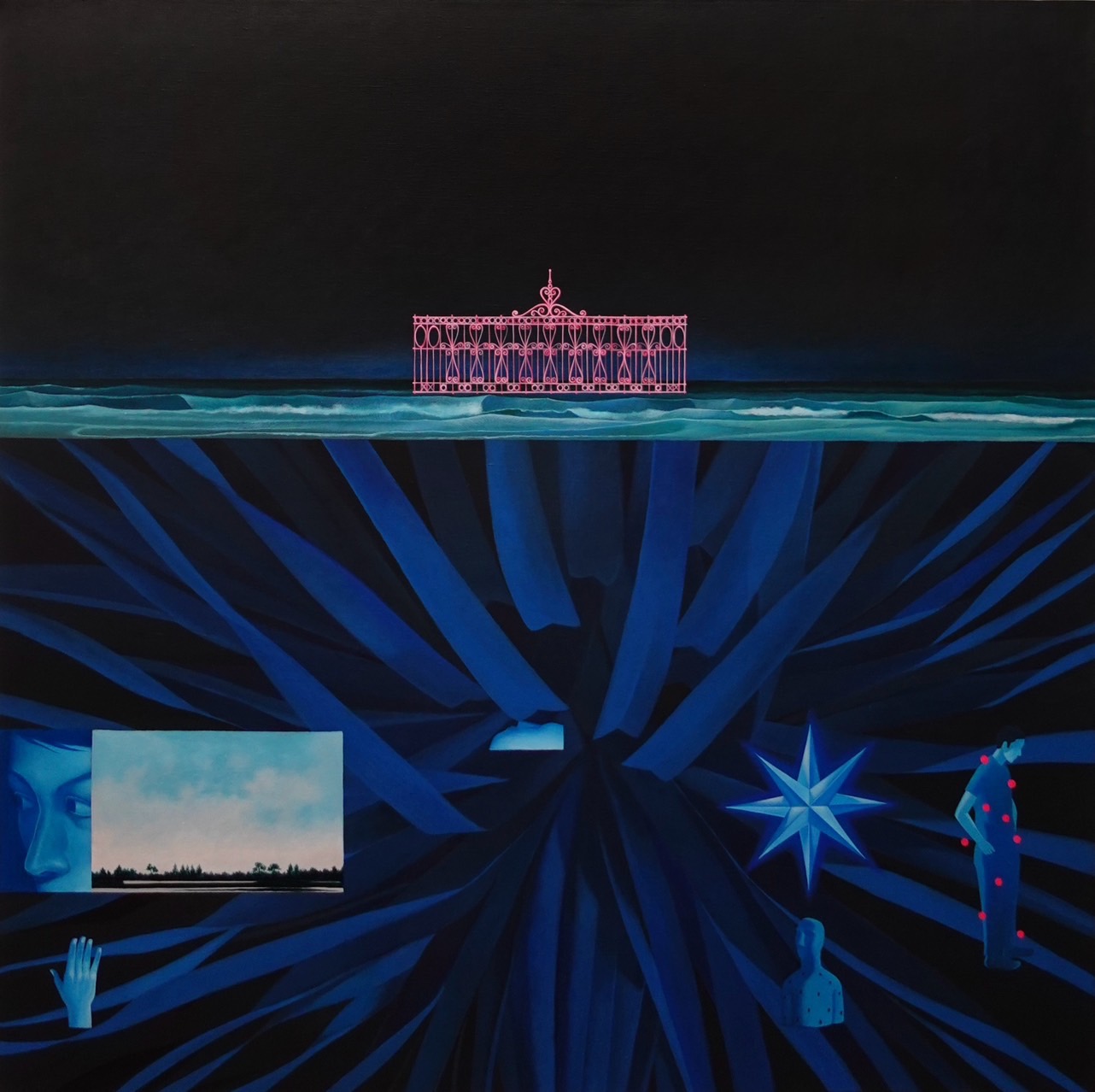
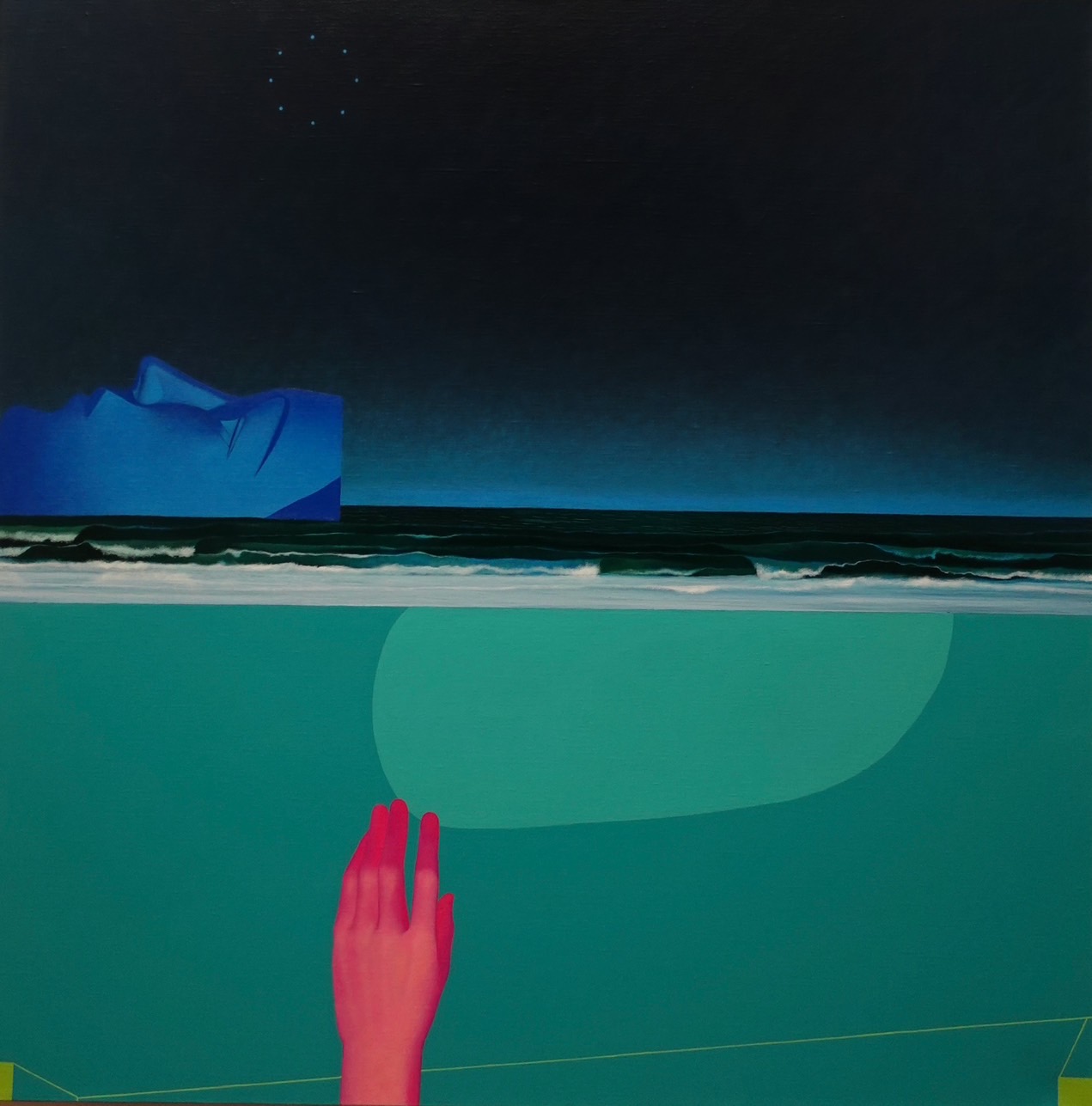
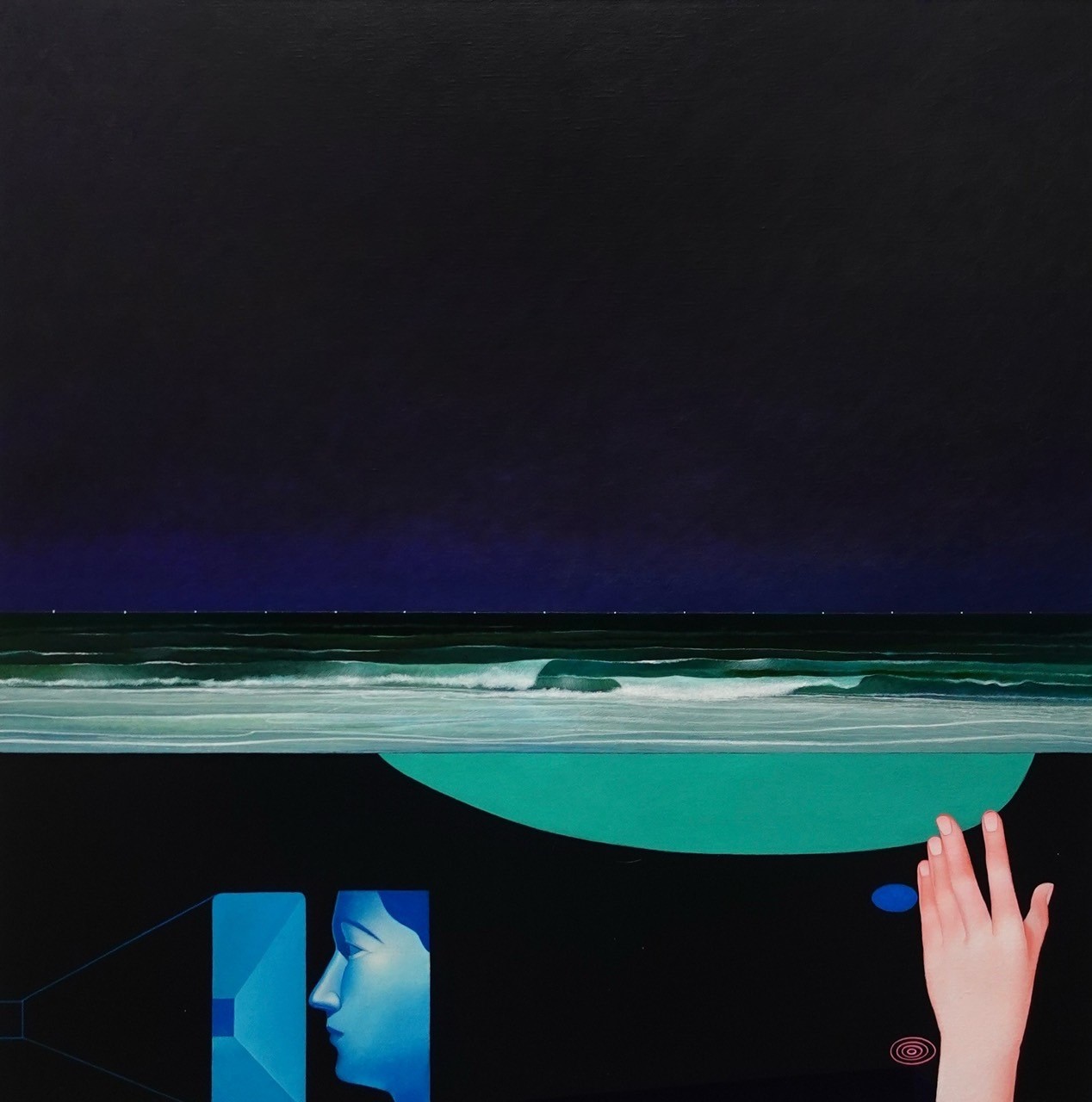
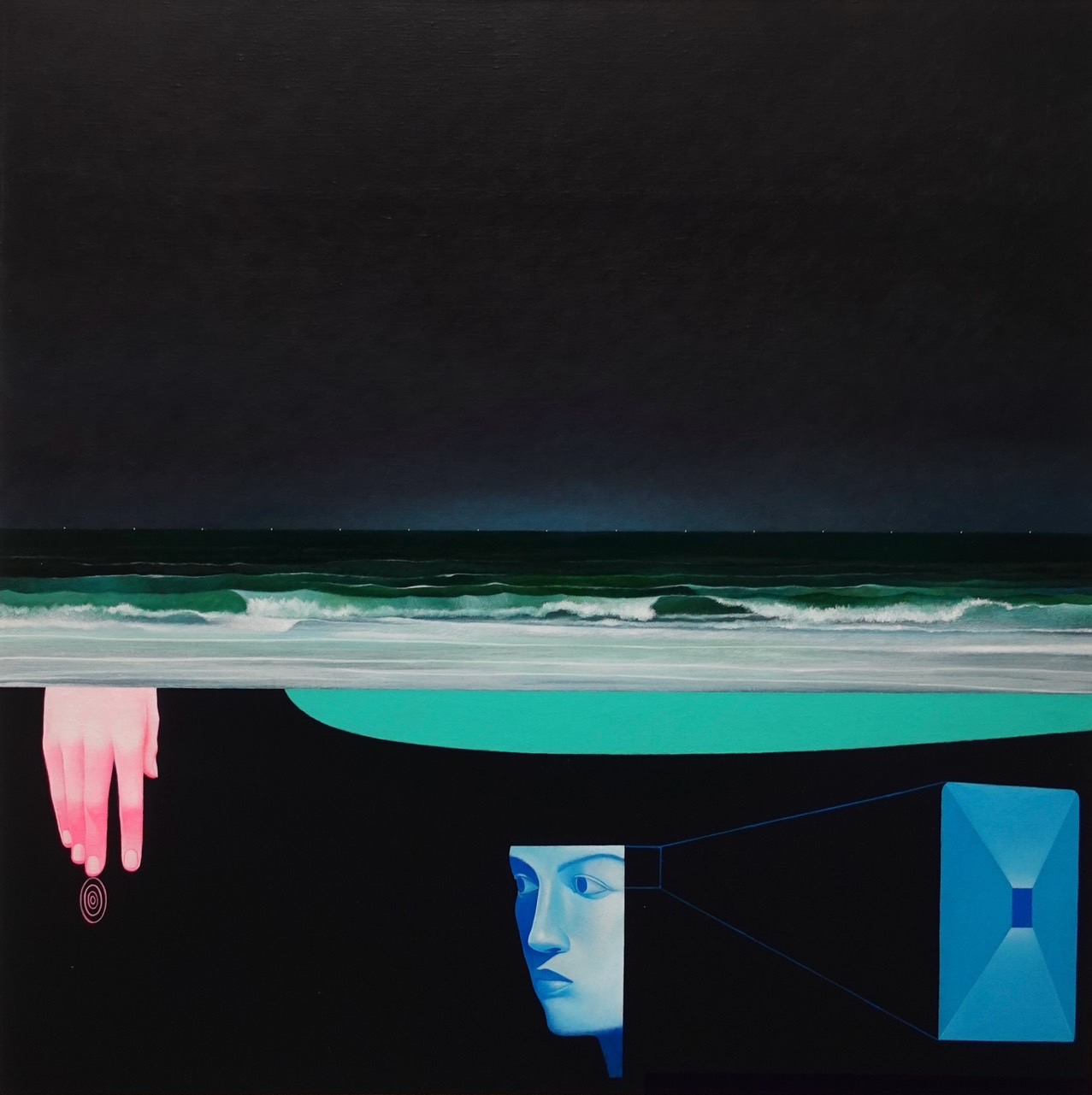
“Dialogues with Indigo-Blue” presents a series of paintings and sculptures by Knakorn Kachacheewa, who withdraws from the world into the depths of the self, chronicling a camaraderie with silence and loneliness in hues of indigo and blue. Kachacheewa’s palette of colors percolates through echoes of happiness, regret, contentment, sadness and inspiration– the emotional artefacts of his past.
Loneliness and solitude are not states of detachment; rather, they attune us to the world. Should viewers linger in the presence of Kachacheewa’s artworks, the initial impression of loneliness gives way to an inner calm, anchored in a heightened awareness of our fleeting mortality. Grounded by visual motifs drawn from nature, his artworks act as guides to existential contemplation that can provide a measure of healing and peace.